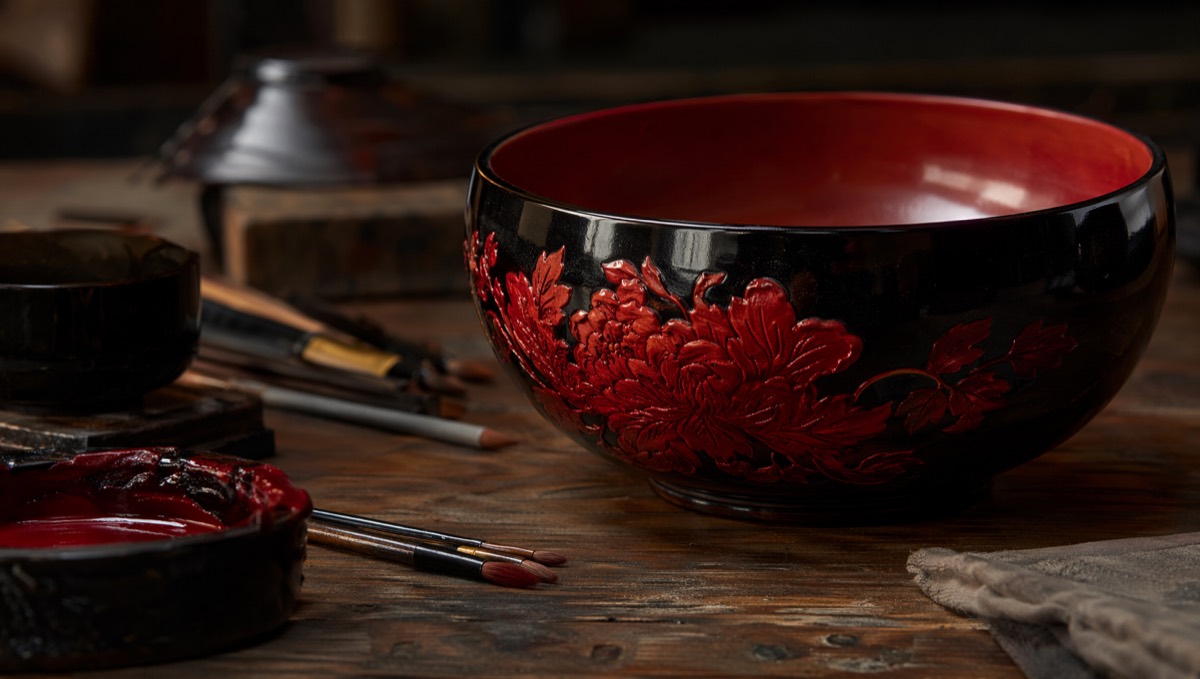
Chinese Lacquerware
Natural lacquer, slow layering, polishing, carving, painting, and inlay in Chinese craft heritage.
Chinese Intangible Cultural Heritage | Topic Hub
Browse Chinese intangible cultural heritage guides about lacquer, silk, embroidery, paper, printing, architecture, ceramics, timber craft, shipbuilding, and other handmade knowledge.
Craft Heritage Hub
Traditional craft pages explain material, workshop process, tools, regional lineage, and living use. This hub gives Google and readers a clear path through the site's craft cluster instead of treating each page as an isolated article.
Each guide names the English and Chinese heritage item when useful, then explains region, materials or performance elements, process, use, cultural meaning, and current transmission.
Guides in this cluster
Natural lacquer, slow layering, polishing, carving, painting, and inlay in Chinese craft heritage.
Sichuan silk thread, fine stitches, frame work, image-making, and regional textile identity.
Red paper, scissors, engraving knives, window decoration, festival symbols, and regional folk pattern.
Brush, ink, paper, script styles, model copying, expressive line, and literati practice.
Leather figures, rods, lamplight, screens, regional music, oral storytelling, and puppet theatre.
Silk, gold-toned thread, complex looms, pattern design, and luminous brocade weaving.
Stone, knives, reverse carving, calligraphy, red seal paste, and square-inch art.
Blue sandalwood bark, rice straw, hand pulping, sheet forming, sun drying, and ink absorption.
Pear and jujube blocks, reverse carving, ink tests, paper pressing, and book craft.
Mulberry cultivation, silkworm raising, cocoon reeling, dyeing, looms, and woven silk.
Wood selection, mortise-and-tenon joints, modular design, beams, columns, and restoration.
Hainan cotton, spinning, plant dyeing, brocade weaving, embroidery, motifs, and women's knowledge.
Qinghai thangka, murals, applique, sculpture, pigments, monastery workshops, and Tibetan Buddhist imagery.
Beam-weaving, joinery, timber tools, Fujian and Zhejiang villages, rituals, and craft transmission.
Fujian shipbuilding, sealed compartments, caulking, launch rituals, and sea safety.
Rui'an type blocks, character carving, page setting, genealogy printing, binding, and safeguarding.
Clay preparation, glaze recipes, forming, carving, dragon kilns, firing control, and ceramic aesthetics.
Compare batik vs tie-dye through Miao wax drawing and Bai stitched resists: how patterns form, why both can be blue and white, and what labels should tell you.
Understand brocade vs embroidery through woven patterning, needlework on a ground, Nanjing Yunjin, and Chinese museum textiles that combine both techniques.
Explore Chinese agate carving through mineral identity, natural colour placement, grinding and polishing, documented museum objects, and Fuxin craft practice.
Explore Chinese amber carving through a Qing sculpture, documented Fushun and Suzhou methods, and the distinction between amber, copal and resin imitations.
Explore Chinese baibaoqian inlay through stone, shell and wood, documented tools, relief and flat settings, and Qing objects with precisely recorded materials.
Explore Chinese baimiao painting through ink outlines, varied brushwork and documented museum works, from narrative figures to flowers and copying practice.
Explore Chinese bamboo basketry through bases, walls, rims and handles, alongside framed woven panels, with carefully identified museum containers and uses.
Discover Chinese bamboo carving through shallow and deep relief, bamboo-root sculpture, practical making stages, and two museum brush holders linked to poetry.
Explore Chinese bamboo root carving through mountain scenes, figures and brush washers, with documented material choices, carving stages and museum examples.
Understand Chinese blue-and-white porcelain through cobalt under transparent glaze, painted lines and washes, and documented bowls and jars from Jingdezhen.
Explore Chinese boxwood carving through Yueqing methods, a late Ming Guanyin and Qing museum objects, with material, modeling and finishing explained.
Read Chinese bronze mirrors through polished faces, decorated backs, alloys, Shan and TLV patterns, later copies and Ezhou's replication craft.
Explore Chinese brush handles through carved bamboo, plain jade, porcelain shafts and lacquered examples.
Explore Chinese brush pots through bamboo carving, porcelain and jade.
Explore Chinese brush rests through mountain forms, materials and decorated supports.
Explore Chinese brush washers through porcelain, jade, metal and decorated water vessels.
Recognize five major Chinese calligraphy scripts: seal, clerical, regular, running, and cursive, with visible features, Chinese names, and reading context.
Explore Chinese carved lacquer through layered coatings, carving and finishing, red and black examples, and documented museum dishes and boxes.
See historical Chinese carved rhinoceros-horn cups through floral forms, relief, openwork and museum examples, keeping the cup distinct from its display stand.
Explore Chinese celadon censers through their handles, feet, bronze models, glaze and recorded uses, with examples from museum collections.
A guide to Chinese ceramic pillows, with examples from museum collections.
Read Chinese chain stitch through museum textiles, linked loops and needlework.
Explore Chinese champlevé enamel through recessed metal cells, fired colour and documented Ming and Qing objects, including pieces combining enamel techniques.
Understand Chinese Cizhou ware through white slip, carved and painted decoration, household forms, and museum examples with carefully defined kiln attributions.
Explore Chinese coconut shell carving through Hainan’s documented practice, a Qing assembled bowl and a dated 1917 plate with distinct shell and metal sides.
Explore Chinese cong-shaped vases through square ceramic bodies, celadon surfaces and later revivals, with jade prototypes and specific uses kept distinct.
Explore Chinese coral carving through Qing sculpture, a coral ruyi and a mixed-material court necklace, with clearly identified modern workshop methods.
Explore Chinese Coromandel lacquer through incised decoration, coloured recesses, wooden screen construction and museum examples, beyond its Indian trade name.
Explore Chinese covered jars through lid profiles, knobs, decoration and museum evidence that helps explain how individual vessels were made and used.
Read Chinese damask silk through twill and satin, historical ling and qi terminology, and museum fragments that distinguish woven structure from surface color.
Explore Chinese Dehua porcelain, or blanc de Chine, through white bodies, luminous glazes, molded figures and documented vessels from Fujian, China.
Understand Chinese Ding ware through ivory glaze, incised and molded designs, and documented firing methods that explain glazed rims, bare edges and supports.
Explore Chinese double-gourd vases through joined ceramic bodies, contrasting outlines and decorated surfaces, with precise museum examples and cultural contexts.
Explore Chinese double-sided embroidery through matching and different images, thread control, and two museum photographs of an eighteenth-century hanging.
Explore Chinese doucai porcelain through underglaze blue outlines, overglaze enamel filling, and documented Ming cups and Qing dishes from Jingdezhen.
Understand Chinese embroidery stitches through thread direction, density, silk sheen, and shading, with practical ways to look closely at craftsmanship.
Explore Chinese ewers through spouts, handles, covers and varied ceramic bodies, with documented making methods and carefully identified museum examples.
Explore Chinese fahua ware through raised clay outlines, coloured glazes, stoneware and porcelain examples, with museum objects and a clear making sequence.
Understand Chinese famille noire porcelain through black enamel grounds, biscuit decoration, museum examples and the distinction between body and later paint.
Explore Chinese famille rose porcelain through overglaze enamels, opaque white and pink tones, with documented floral bowls and peach vases from Jingdezhen.
Explore Chinese folding fans through bamboo and wooden ribs, paper and silk leaves, opening mechanisms, calligraphy, painting, and documented gift traditions.
Explore Chinese garlic-head vases through their mouths, necks and ceramic surfaces, with museum examples showing different decoration and materials.
Explore Chinese Ge ware through crackled glazes, useful vessel comparisons and later imitations, with museum evidence for debated dates and origins.
Understand Chinese gilt bronze through the gold surface and underlying metal, documented gilding methods, technical studies and carefully dated museum objects.
Understand Chinese gold and silver inlay: metal set into a metal body, its making stages, museum examples, and differences from gilding, filigree and repoussé.
Discover Chinese gold filigree through drawn and twisted wire, fitted patterns, joined structures, and documented Tang and Qing jewelry in museum collections.
Explore Chinese gold-incised lacquer, or qiangjin: cut lines, gold-filled patterns, colored lacquer combinations, and documented Ming and Qing museum objects.
Understand Chinese gold thread couching through laid metallic threads, securing stitches, wrapped cores, padded work, and a documented Qing chair covering.
Explore Chinese grisaille porcelain through tonal enamel painting, print-inspired portraits and landscapes, with careful museum terminology and dated examples.
Explore Chinese Guan ware through Song court production, ceramic bodies, celadon glazes, kiln evidence and later reinterpretations.
Explore Chinese gu-shaped vases through their bronze models and later porcelain, with museum examples of profile, glaze, relief and display.
Compare Chinese handscroll vs hanging scroll formats through mounting, rollers, viewing direction and museum works, with a clear guide to how each is seen.
Explore Chinese hardwood furniture joinery: mortise-and-tenon connections, load-bearing frames, fitted panels, and documented Ming and Qing museum examples.
See how Chinese incense tool vases held small implements and formed part of incense sets, with examples in jade, porcelain and cloisonné.
Explore Chinese ink rubbings through paper, carved stone and museum examples. Learn how impressions transmit inscriptions and why the dates need careful reading.
Explore Chinese inkstone boxes through fitted interiors, shaped wood, lacquer decoration and carved stone covers.
Learn how Chinese inside-painted snuff bottles are decorated through the neck, with angled brushes, reverse working, and carefully identified museum examples.
Explore Chinese jade bi discs through nephrite, abrasive shaping, documented drill marks, burial contexts, grain patterns and later imperial inscriptions.
Explore Chinese jade carving through abrasive working, material choices, museum examples, and the making of pierced disks, sculptural forms, and vessels.
Understand Chinese jade cong through square exteriors, circular bores, corner masks, abrasive working, archaeological context and later revivals.
Explore jade gui forms, inscriptions, ceremonial uses and later interpretations.
Explore Chinese jade huang through arc-shaped pendants, pierced stone, museum examples and archaeological context.
Explore Chinese jiaotai marbled ware through contrasting clays, twisting, sliced decoration and transparent glaze, with museum bowls, pillows and a water pot.
Understand Chinese Jizhou ware through leaf and paper-cut designs, tortoiseshell glaze and painted waves, with documented Jiangxi bowls and vases.
Explore Chinese Jun ware through blue glaze, copper-related purple splashes, firing evidence, and documented Jin, Yuan and Ming objects with distinct dates.
Explore Chinese kesi silk tapestry through continuous warp, locally worked colored wefts, loom practice, and museum robes and badges with documented materials.
Explore historical Chinese kingfisher feather work through metal frameworks, blue feather decoration, separate gem settings and documented museum ornaments.
Compare Chinese lacquerware and ceramics through their cores, coatings, carving, glazing, and making processes, with museum and heritage sources.
Explore Chinese Langyao red glaze through documented Kangxi and early Qing vessels, copper-red colour, glaze thickness, pale rims and its making process.
Explore Chinese meiping vases through broad shoulders, small mouths and documented museum examples, with material differences and historical uses kept clear.
Explore Chinese millefleurs porcelain through dense floral layouts, shaded petals and museum vases with documented dates and overglaze enamel decoration.
Discover Chinese molded gourd vessels: how young fruits grow into patterned molds, how finished objects combine materials, and what museum examples reveal.
Explore Chinese moon flasks through round, flattened bodies, paired decoration and Ming–Qing examples, with precise names, materials and making evidence.
Explore Chinese overlay glass through layered colour, abrasive carving, Qing museum objects, and the difference between raised decoration and inside painting.
Explore Chinese painting albums: individual leaves, sequences, inscriptions and the craft of mounting, with documented museum examples.
Explore folded and freehand Chinese paper cutting: how symmetry, drawing, and direct cutting shape a design, with a simple connected-paper exercise.
Read Chinese paper cutting symbols through lotus-and-fish rebuses, written characters and regional uses, with context for auspicious wishes and wedding motifs.
Explore Chinese paperweights through a Ming qilin, stone rabbit, jadeite and crystal examples, with materials, desk functions and careful museum comparisons.
Explore Chinese pewter craft through shaped sheet, joining and engraving, with named regional practices and a museum plate combining pewter and coconut shell.
Explore Chinese porcelain stem cups through their raised feet, painted surfaces and archaeological evidence for how bowls and stems were joined.
Explore Chinese Qingbai porcelain through pale blue-white glaze, carved and molded designs, bowls and wine vessels, with precise museum examples.
Read Chinese rank badges through dated museum objects, animals, garment placement, and construction, including kesi weaving and embroidery on silk grounds.
Explore Chinese repoussé metalwork through reverse hammering, front-side chasing, sheet-metal construction, and documented Tang and Yuan museum objects.
Explore Chinese rock crystal carving through quartz, abrasive tools, polished vessels and animal groups, with museum examples and clear material distinctions.
Explore Chinese round fans through fixed frames, silk surfaces, Qing court examples and modern Suzhou craft, with fan leaves distinguished from complete fans.
Explore Chinese Ru ware through documented Northern Song vessels, blue-grey glaze, tiny kiln-support marks, and the difference between Ru and later imitations.
Understand Chinese ruyi sceptres through their shapes, auspicious gifts and displays, comparing jade, carved lacquer, cloisonné enamel and a dated court gift.
Understand Chinese satin silk through its long thread floats, weave and fiber distinctions, duan terminology, and a Qing textile with a documented satin ground.
Explore Chinese scent sachets: fabric, embroidery, fragrant filling, Duanwu gifts, and the differences between regional crafts and historical museum objects.
Explore Chinese scholar’s rocks through Taihu and Lingbi examples, imagined landscapes, fitted stands and the difference between stone and stone-like art.
Read Chinese seal impressions through zhuwen and baiwen: red or white characters, raised or recessed carving, seal faces, and the marks they leave on paper.
Explore Chinese seal-paste boxes through covered porcelain, peach-bloom glaze, cloisonné enamel and surviving lids.
Read Chinese seed stitch embroidery through knotted texture, related names, working methods and documented museum textiles.
Explore Chinese Shufu ware through Yuan white glaze, molded decoration and an uninscribed museum bowl, with clear comparisons to Qingbai and Sweet White.
Explore Chinese silk gauze through crossing warp threads, luo and sha terminology, Hangluo weaving, and a Qing robe panel with documented embroidery.
Explore Chinese silk velvet through woven pile, cut and uncut loops, zhangrong terminology, and museum textiles made for furnishings and celebrations.
Explore Chinese soapstone carving through museum sculptures, Qingtian and Shoushan craft, material distinctions, stone-led design, tools, and finishing stages.
Explore Chinese susancai porcelain through its fired unglazed body, incised designs and coloured enamels, with documented Kangxi dishes and a painted jar.
Explore Chinese sweet white porcelain through Yongle court taste, pale bodies and glazes, subtle anhua designs, and precisely dated museum objects.
Explore Chinese table screens through lacquer, enamel, jade and inscribed marble panels.
Understand Chinese tea-dust glaze through its speckled crystalline surface, Qing porcelain vessels and a scholar’s water dropper, with museum examples.
Explore Chinese tixi lacquer through red and black layers, carved scrolls, exposed colour bands, documented museum objects, and Jiangzhou craft practice.
Understand Chinese underglaze copper-red porcelain through painted designs, transparent glaze, kiln control and documented Jingdezhen museum vessels.
Explore Chinese water droppers through filling holes, spouts, ceramic making and imaginative forms, with documented examples for the scholar’s desk.
Compare relief, openwork and carving in the round through Chinese museum objects, practical design choices, material limits and documented carving methods.
Explore Chinese wrist rests through bamboo carving, literary scenes and ceramic imitation.
Understand Chinese wucai porcelain beyond five fixed colors: compare underglaze blue and overglaze enamels through documented Jingdezhen cups and jars.
Explore Chinese Yaozhou ware through carved and molded celadon, green glaze, bowl interiors and sculptural vessels from documented museum collections.
Explore Chinese Yue ware through Zhejiang kiln traditions, green-glazed stoneware, incised dragons and birds, dated ewers and evidence of making.
Explore Chinese yuhuchun vases through pear-shaped profiles, stoneware and porcelain examples, recorded forming methods and changing decorative treatments.
Compare cloisonné vs painted enamel through metal wires, enamel painting, copper bodies, firing, and Chinese workshop histories, with museum examples.
Explore douban and gonghua printing: small colour blocks, layered tones and blind embossing, with Ten Bamboo Studio books and documented craft practice.
Understand the Four Treasures of the Study (文房四宝): the brush, inkstick, paper, and inkstone used together in Chinese calligraphy and ink painting.
Compare gongbi vs xieyi painting through fine outlines, layered washes, expressive brushwork and museum examples showing how these approaches can combine.
Explore Gu embroidery through Shanghai’s Gu-family tradition, Han Ximeng, painting and stitch, and a documented Qing hanging with a parrot and peaches.
Compare Longquan celadon vs Jingdezhen porcelain through ceramic bodies, glazes, decoration, workshop processes, and the histories connecting both traditions.
Understand mother-of-pearl lacquer inlay through shell materials, documented making methods, museum trays, and the limits of judging iridescence from photos.
Explore Chinese painted copper enamel through its metal body, fired ground, shaded colors and vessel designs, with Qing museum objects and Guangzhou context.
Compare pine soot vs oil soot ink through fuel sources, soot collection, surface appearance and museum evidence, with clear limits on identifying historic inks.
Explore She inkstone making in Anhui and Wuyuan through stone selection, carved ink pools, grinding surfaces and a museum example identified as She stone.
Compare Shu embroidery (蜀绣) and Su embroidery (苏绣): regional origins, stitch traditions, shared materials, and how to read a handmade textile.
Understand silk reeling vs spinning: unwinding cocoon filaments, drawing and twisting shorter fibers, and why winding or twisting alone cannot identify either.
Understand tea oxidation vs fermentation: leaf enzymes in black tea, microbial changes in dark tea, and the processing knowledge behind Chinese tea traditions.
Compare woodblock printing and movable type through carved page layouts, reusable characters, proofing, hand printing, and Chinese bookmaking traditions.
Understand Xuan paper vs rice paper through Anhui papermaking, bark and rice-straw fibers, pith sheets, surface treatment, and the way paper receives ink.
Explore Yue embroidery through Guangzhou and Chaozhou traditions, silk and raised gold work, bead embroidery, and a documented Cantonese export textile.