Sichuan Silk Craft
Explore thread, silk, stitching, and regional memory in another Chinese craft tradition.
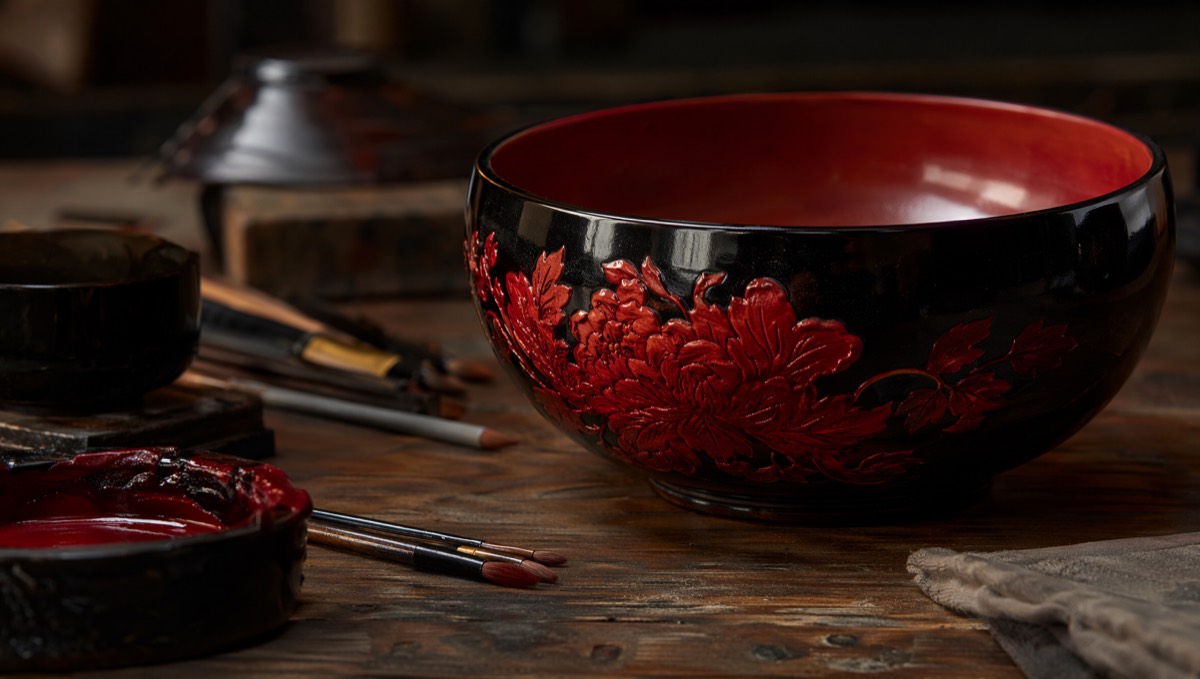
Chinese Intangible Cultural Heritage | Daqi | Lacquerware
A guide to the natural lacquer, slow layering, polishing, carving, painting, and inlay techniques behind one of China's most refined traditional crafts.
Chinese Lacquer Craft
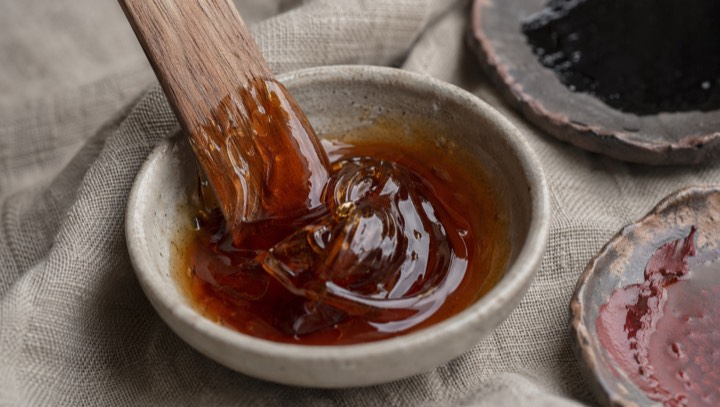
Chinese lacquerware refers to objects coated, built, decorated, or finished with natural lacquer. In Chinese, daqi or 大漆 often points to the raw natural lacquer material, while qiqi or 漆器 refers to finished lacquerware objects.
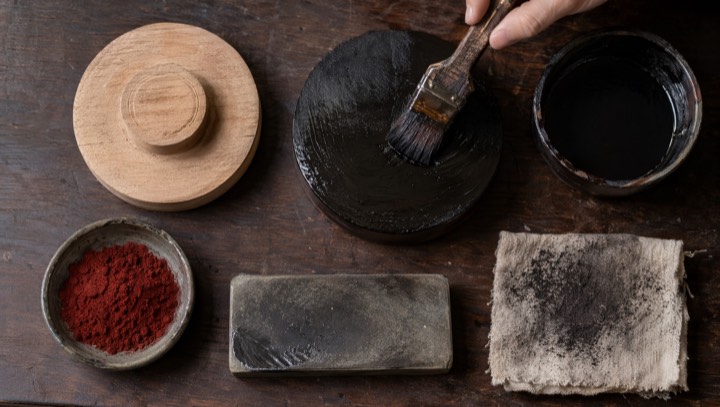
The craft is not just a glossy surface. Traditional lacquer can be applied in many thin layers over wood, bamboo, cloth, or other bases, then cured, polished, painted, carved, inlaid, or combined with pigments and materials such as gold, silver, mother-of-pearl, or eggshell.
Material Intelligence
Traditional Craft Process
Craft and Heritage Facts
Chinese lacquerwork has a long history and appears in vessels, boxes, furniture, screens, ritual objects, writing tools, and decorative art. Several lacquerware techniques are listed in China's national intangible cultural heritage system, including regional traditions such as Pingyao polished lacquerware and Jiangzhou tixi carved lacquer.
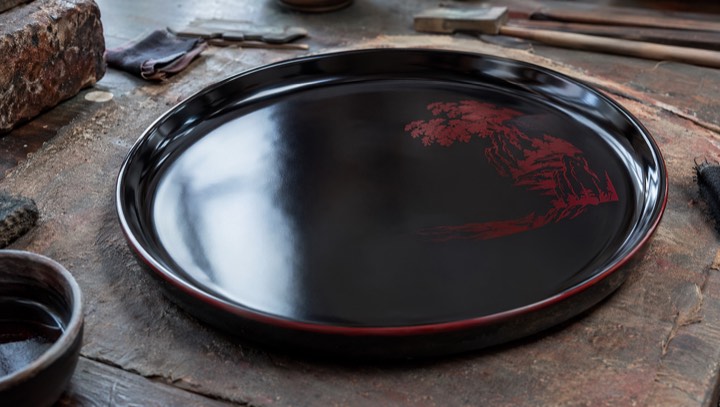
How to Read a Lacquer Object
A lacquer object rewards close looking. Notice whether the surface is painted, carved, inlaid, or polished plain. Look for the base form, the depth of color, the edge where layers appear, and the way light moves across the surface. What seems simple may contain many rounds of application, curing, and polishing.
FAQ
Is daqi the same as lacquerware?
Daqi usually refers to natural lacquer as a material. Lacquerware refers to the finished object or craft object made with lacquer.
Is Chinese lacquer the same as modern lacquer paint?
No. Traditional lacquer is a natural material and a slow craft process. Modern synthetic lacquer coatings are different materials and should not be treated as the same thing.
Why does lacquerware take so long to make?
Many techniques require repeated thin layers, controlled curing, polishing, and later decoration. Complex carved or inlaid pieces can take weeks, months, or longer.
Sources and Related Crafts
Explore thread, silk, stitching, and regional memory in another Chinese craft tradition.
Background on lacquer materials, early uses, layers, and historical development.
National intangible cultural heritage entry for a regional lacquerware technique.
National intangible cultural heritage entry for a carved lacquer technique.