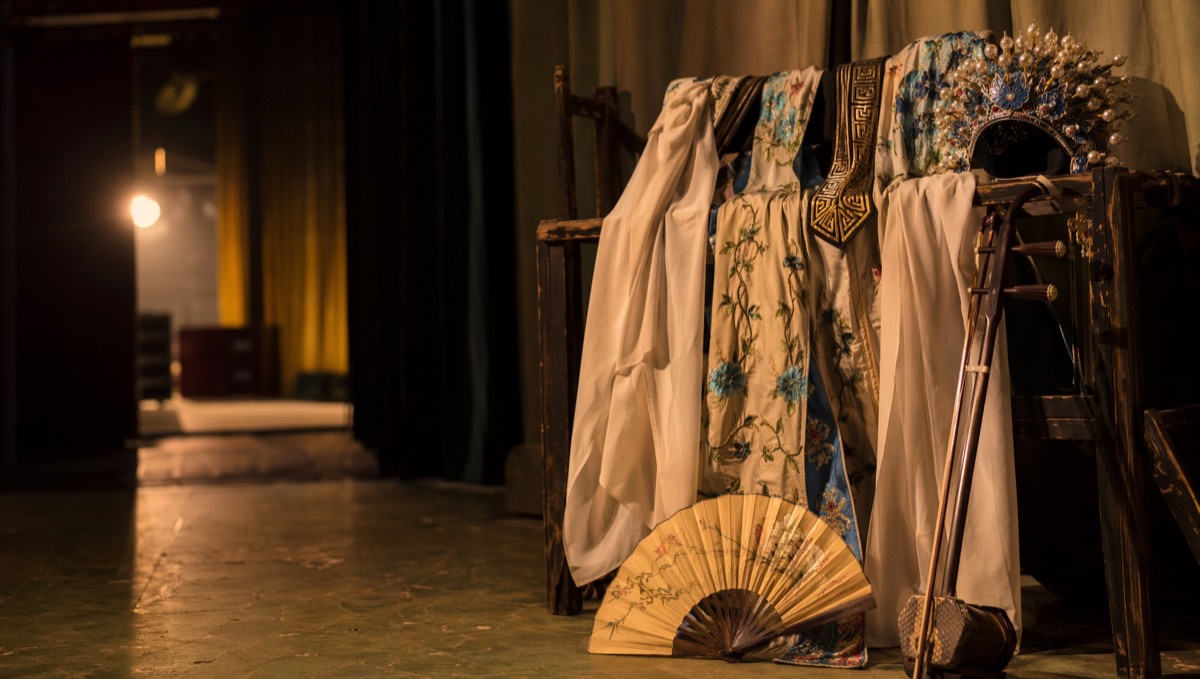
Peking Opera
Voice, recitation, acting, martial movement, stage music, costume, and symbolic performance.
Chinese Intangible Cultural Heritage | Topic Hub
Browse guides to Chinese opera, folk song, choral music, instrumental music, dance, puppet theatre, and ritual performance traditions.
Performance Heritage Hub
Performing arts pages focus on voice, movement, instruments, repertoire, training, venue, and social function. The cluster connects opera, folk song, oral performance, theatre, and community music.
Each guide names the English and Chinese heritage item when useful, then explains region, materials or performance elements, process, use, cultural meaning, and current transmission.
Guides in this cluster
Voice, recitation, acting, martial movement, stage music, costume, and symbolic performance.
Leather figures, rods, lamplight, screens, regional music, oral storytelling, and puppet theatre.
Seven-string zither technique, notation, solo practice, qin schools, and literati sound culture.
Kunshan melody, singing, recitation, symbolic gesture, costume, and refined stage tradition.
Masks, song, dance, narration, ritual openings, regional troupes, and festival theatre.
Twelve Muqam, song, dance, poetry, instruments, meshrep gatherings, and Silk Road memory.
Quanzhou dialect singing, dongxiao flute, horizontal pipa, clappers, notation, and Minnan ensemble practice.
Throat singing, overtones, drone voice, Inner Mongolia communities, nature imagery, and training.
Drums, wind instruments, seated and walking music, old scores, temple fairs, and ritual occasions.
Northwest China song fairs, multi-ethnic singers, improvised lyrics, field work, and oral tradition.
Unaccompanied, conductorless, multi-part Dong singing linked to drum towers, song masters, village teaching, and ethics.
Jilin communities, drums, gongs, field ritual, spinning hats, formation dance, and harvest celebration.
Cantonese singing, spoken lines, string and percussion music, martial movement, costumes, makeup, and stage stories.
Uyghur gatherings, music, dance, oral literature, foodways, games, etiquette, and community teaching.
Urtiin Duu, extended melody, ornamented voice, pastoral ceremony, horse culture, festivals, and transmission.
An illustrated guide to the Chinese bangu drum, with museum examples and a listening exercise.
Explore the banhu’s wooden soundboard and bow, its role in Qinqiang and a documented concert setting.
Explore Chinese bianqing through graduated stones, striking and ritual musical settings.
Explore Chinese bianzhong through graduated bell sets, struck tones and musical inscriptions.
See how Chinese bo cymbals are held, how players shape a strike, and where the paired discs fit in opera and orchestral percussion.
Explore the Chinese dizi flute through its bamboo body, buzzing membrane, bangdi and qudi types, playing techniques and documented musical settings.
Discover the erhu’s two strings, suspended fingering, tuning and musical roles, with a historical museum example and documented modern adaptations.
See how guzheng bridges and string tension shape notes, and follow named pieces in a Smithsonian recording.
Meet the Chinese jinghu through bowed sound, bamboo construction, instrument making and its relationship with opera singing.
Explore historical konghou forms, two harps excavated at Qiemo and a documented modern concert design.
Learn how the wooden fish sounds, how its beats guide chant, and where the long hanging fish is used.
Compare how the small xiaoluo and large daluo are held and struck, why their pitch moves, and how they cue action in Peking opera.
See the clappers up close and follow the singer’s beat in Minnan nanyin.
Explore Chinese paixiao through joined pipes, historical materials, archaeological examples and a carefully identified museum display.
Explore the Chinese pipa through its frets, plucking techniques, changing historical forms, Pinghu tradition, Nanyin setting and modern concert practice.
Explore Chinese ruan construction, tuning, historical instruments, study and repertoire.
Explore the sanxian’s three strings, long neck, regional music and practical study.
Explore the Chinese sheng’s reeds, wind chamber, finger holes, sounding pipes, orchestral forms and practical musical training.
Meet the suona’s double reed, regional ensembles and modern orchestral forms.
Explore the xiao’s end-blown design and regional forms.
Explore the Chinese xun’s pottery body, forms and musical settings.
Explore the Chinese yangqin, a hammered dulcimer, through historical instruments, grouped strings, practical study and musical settings.
Explore the Chinese yueqin through its short neck, round body, plucking techniques, historical examples and regional musical settings.
See how Chinese yunluo cloud gongs produce distinct notes, how to read a Qing frame and where double yunluo fit in Xi’an ensemble music.
Explore guqin notation, or jianzipu, through finger actions, string positions, lingering tones, parallel scores and interpretation needed for performance.
Understand guqin vs guzheng through strings, fixed and movable bridges, playing techniques, notation, regional traditions, and their distinct musical histories.
Explore Peking opera costumes through mang robes, pei, kao armour and xuezi, with garment shapes, stage movement and historical theatrical dress explained.
Explore Peking opera face painting through lianpu patterns, painting methods, colour conventions and documented variations, with historical album context.
Explore Peking opera instruments through wenchang and wuchang, jinghu and yueqin, percussion leadership and the coordination of musicians with performers.
Understand Peking opera role types through Sheng, Dan, Jing and Chou, their specializations, performance skills, casting examples and costume conventions.
Compare Peking opera vs Kunqu through their origins, musical structures, role training, stage conventions, and exchanges between these Chinese theatre forms.