Chinese Wooden Arch Bridge Building
Verifies the current official element page, Chinese name, listing type, and 2024 transfer wording.
Chinese Intangible Cultural Heritage | Timber Bridges | Beam-Weaving
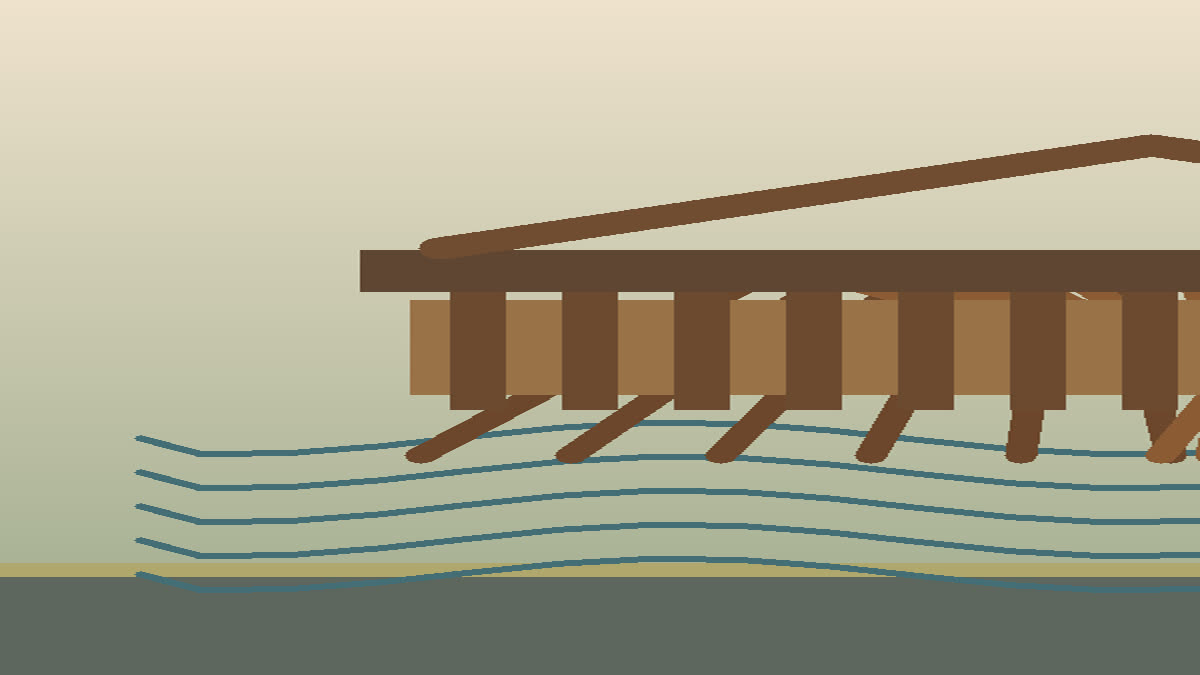
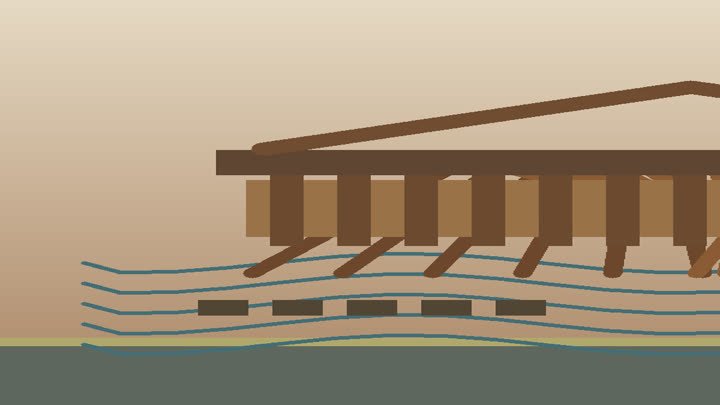
Chinese wooden arch bridge building is a traditional timber construction system that uses beam-weaving, mortise-and-tenon joints, local carpenter knowledge, and community maintenance to create covered bridges in mountain villages.
Chinese Wooden Arch Bridges | 中国木拱桥传统营造技艺
Chinese wooden arch bridge building is a traditional timber construction system that uses beam-weaving, mortise-and-tenon joints, local carpenter knowledge, and community maintenance to create covered bridges in mountain villages.
UNESCO first listed the tradition for urgent safeguarding in 2009 and transferred it to the Representative List in 2024.
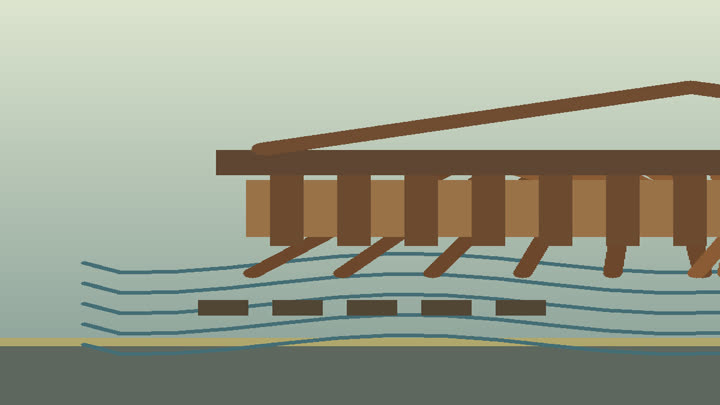
Official heritage descriptions emphasize the use of logs, traditional carpentry tools, hand techniques, beam-weaving, and tenon joints to form a stable arch without treating the bridge as only a scenic object. The bridge is also a village passage, gathering place, ritual space, and marker of local identity.
Architecture and Timber Craft
Traditional Process
Heritage Facts
Mainly associated with bridge-building communities in Fujian and Zhejiang, especially mountain and river settlements where covered timber bridges remain part of village life.
FAQ
Are Chinese wooden arch bridges the same as ordinary covered bridges?
No. The heritage focuses on a specific timber arch-building knowledge system, especially beam-weaving, joinery, and community transmission.
Where are these bridges mainly found?
They are strongly associated with Fujian and Zhejiang communities where mountain rivers, timber craft, and village use shaped the tradition.
Why was safeguarding needed?
Urbanization, timber scarcity, reduced building space, and fewer working craft contexts threatened transmission.
Sources and Related Guides
Verifies the current official element page, Chinese name, listing type, and 2024 transfer wording.
Verifies the UNESCO element name, inscription status, and safeguarding context.
Continue to a related Living Heritage China guide.
Continue to a related Living Heritage China guide.
Continue to a related Living Heritage China guide.