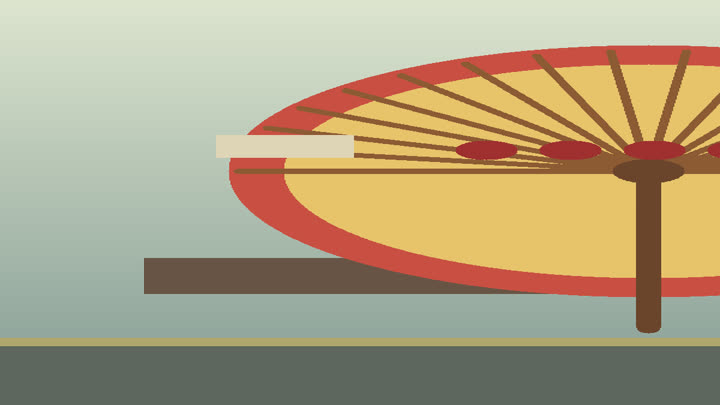
Luzhou oil-paper umbrella workshop with open painted canopy, bamboo ribs, tung oil bowl, paper sheets, and wooden handle

Chinese Intangible Cultural Heritage | Oil-Paper Umbrella | Sichuan Craft

Luzhou Oil-Paper Umbrella

Luzhou oil-paper umbrella craft uses bamboo ribs, paper, tung oil, wooden parts, painting, binding, drying, and repeated folding to make lightweight umbrellas for rain, shade, ritual, and folk occasions.

Luzhou Oil-Paper Umbrella | 伞制作技艺(油纸伞制作技艺)

What is Luzhou Oil-Paper Umbrella?

Luzhou oil-paper umbrella craft uses bamboo ribs, paper, tung oil, wooden parts, painting, binding, drying, and repeated folding to make lightweight umbrellas for rain, shade, ritual, and folk occasions.

China listed oil-paper umbrella making under umbrella craft in the second national representative ICH list in 2008.

The official China ICH record identifies the Fenshui oil-paper umbrella of Luzhou as a Sichuan craft with more than four centuries of history, local materials such as tung oil, bamboo, wood, and paper, and more than ninety production steps.

Close detail of Luzhou oil-paper umbrella bamboo ribs, oiled paper fibers, painted flower, hub thread, and handle joint
Luzhou Oil-Paper Umbrella becomes clearer when readers can see the materials, tools, gestures, route, social setting, or community use behind the heritage.

Oil-Paper Umbrella, Bamboo Craft, and Sichuan Folk Use

Place, material, practice, and use make the tradition concrete.

  • Bamboo skeleton Split and shaped bamboo ribs create a canopy that can open, fold, and keep tension.
  • Paper and oil Paper becomes weather-resistant and translucent after pasting, painting, oiling, and drying.
  • Painted canopy Flowers, birds, calligraphy, or local patterns turn the umbrella into folk visual culture.
  • Folding strength The official record emphasizes repeated opening, water resistance, and wind-resistant form as craft measures.

Traditional Process

How Luzhou Oil-Paper Umbrella is practiced

Oil-paper umbrella process with bamboo splitting, rib tying, paper pasting, painting, oiling, drying, and folding test
  1. Prepare bamboo and woodBamboo and handle parts are cut, split, shaped, drilled, and matched.
  2. Tie the umbrella frameRibs, hub, stretcher parts, thread, and edge structure are assembled so the canopy opens evenly.
  3. Paste and paint paperPaper is attached to the ribs, smoothed, decorated, and left to set.
  4. Apply tung oilOil coats the surface and is dried in controlled stages to protect and strengthen the canopy.
  5. Test folding and finishThe maker checks opening, closing, edge tension, handle fit, and surface finish.

Heritage Facts

Luzhou Oil-Paper Umbrella belongs to a living knowledge system.

Jiangyang District, Luzhou, Sichuan Province, especially Fenshui umbrella workshops, market use, wedding customs, folk activities, and craft demonstrations.

Chinese Name伞制作技艺(油纸伞制作技艺)
Official StatusChina listed oil-paper umbrella making under umbrella craft in the second national representative ICH list in 2008.
CategoryTraditional umbrella craft, bamboo work, paper craft, oil finishing, painted folk art, folding mechanism, and workshop transmission
Materials, Tools, or ElementsNan bamboo, water bamboo, tung oil, paper, wooden handle, rib tools, thread, paste, brushes, drying rack, hooping and heating tools
Common UsesRain and sun protection, weddings, folk ritual settings, collection, stage and festival display, craft education, and Sichuan local identity
SEO Topic ClusterLuzhou oil-paper umbrella, Chinese umbrella craft, Sichuan folk craft, bamboo paper umbrella

FAQ

Common questions about Luzhou Oil-Paper Umbrella

What makes Luzhou oil-paper umbrellas different from modern folding umbrellas?
They rely on bamboo, paper, tung oil, hand assembly, painting, and traditional folding structure rather than nylon fabric and metal frames.

Are oil-paper umbrellas still practical?
They can function as umbrellas, but today they also serve folk events, weddings, display, education, and craft collection.

Why are there so many steps?
The frame, paper canopy, painting, oiling, drying, edge treatment, and folding mechanism all have to work together.

Sources and Related Guides

Continue through Chinese living heritage.