China Intangible Cultural Heritage: Chinese Seal Engraving
Reference source used for heritage status, terminology, and factual grounding.
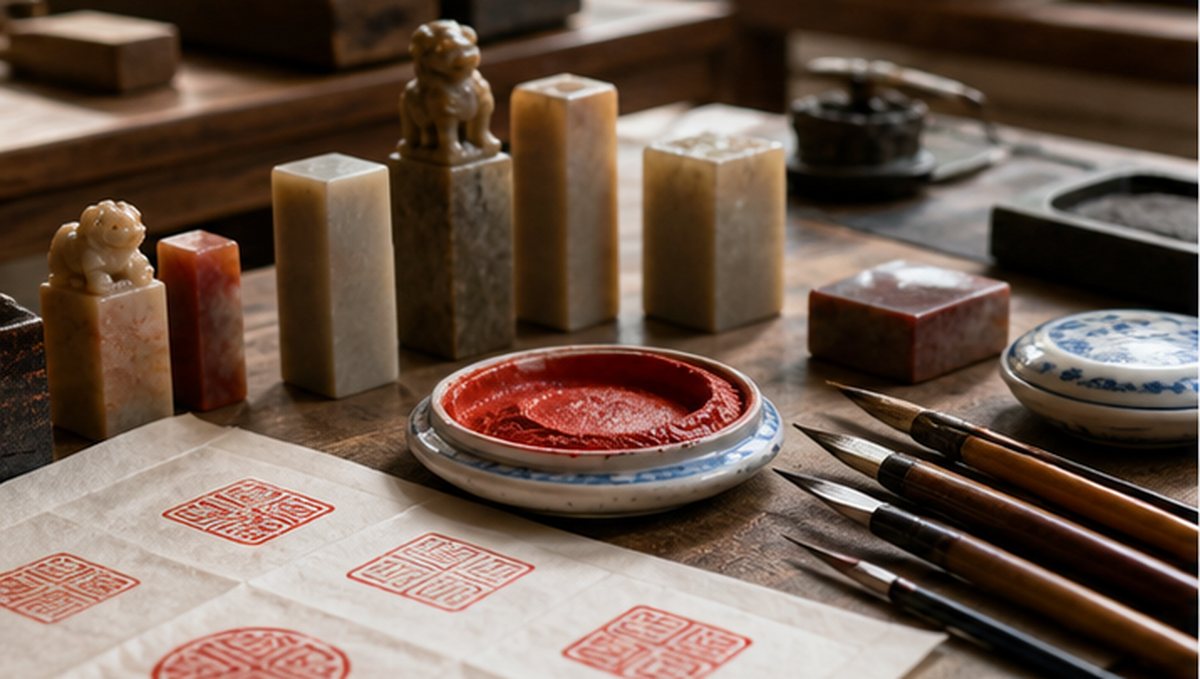
Chinese Intangible Cultural Heritage | Zhuanke | Fine Art
Chinese seal engraving is a small-scale art of stone, knife, calligraphy, composition, and red impression, where a square seal can function as both practical mark and independent artwork.
Chinese Seal Engraving | 中国篆刻
Chinese seal engraving is a small-scale art of stone, knife, calligraphy, composition, and red impression, where a square seal can function as both practical mark and independent artwork.
UNESCO inscribed the art of Chinese seal engraving on the Representative List in 2009.
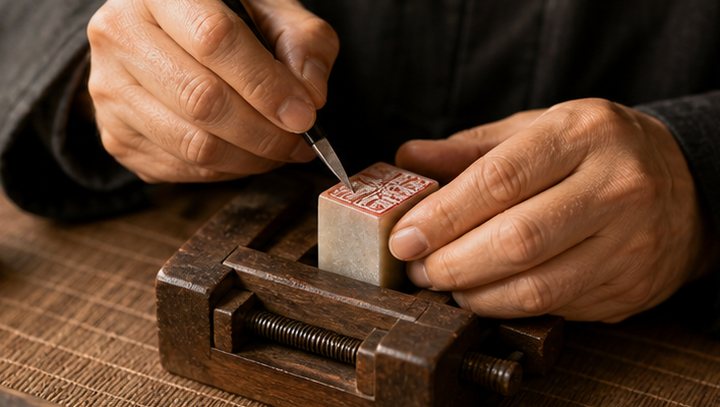
Official Chinese sources describe seal engraving as a distinctive art using stone as the main material, knives as tools, and Chinese characters as its visual form. It grew from ancient seal-making and is still practiced by professionals and amateurs.
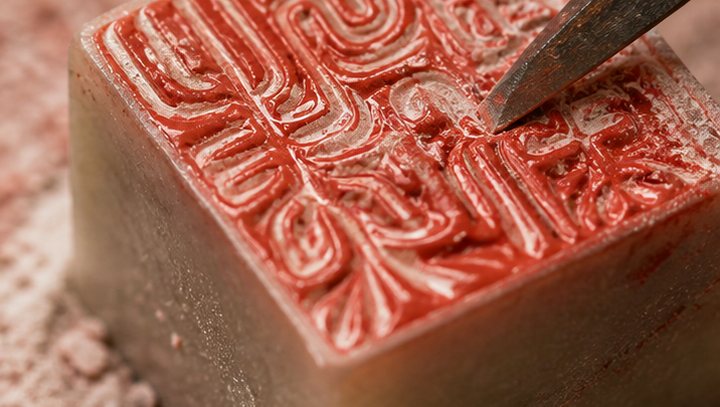
Traditional Craft and Fine Art
Traditional Process
Heritage Facts
Strongly associated with Zhejiang and the Xiling Seal Engravers' Society in Hangzhou, while practiced by artists and institutions across China.
FAQ
Is Chinese seal engraving only a craft for official stamps?
No. It has practical uses, but it is also a fine art connected with calligraphy, painting, poetry, collecting, and personal identity.
Why is the design carved in reverse?
The carved surface must print correctly when pressed into red paste and stamped on paper.
What materials are common?
Stone is central in official descriptions, though seal culture also includes other materials in wider historical practice.
Sources and Related Guides
Reference source used for heritage status, terminology, and factual grounding.
Reference source used for heritage status, terminology, and factual grounding.
Continue to a related Living Heritage China guide.
Continue to a related Living Heritage China guide.