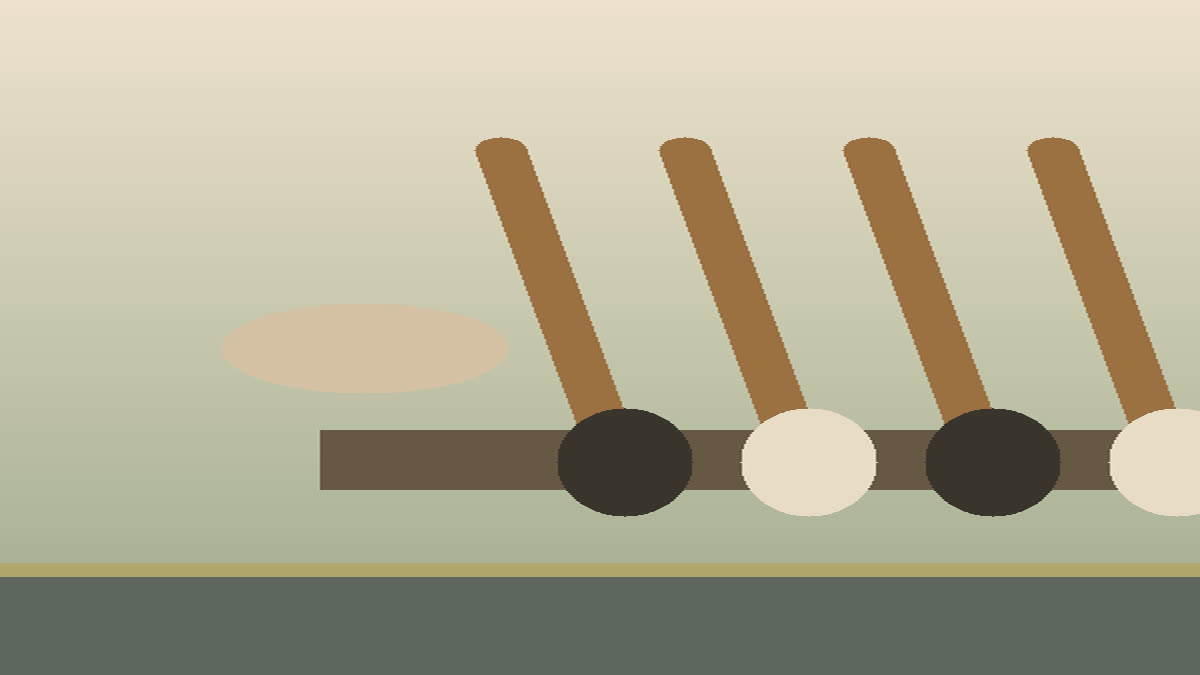
Xuan brush making table with rabbit hair tufts, bamboo handles, tying thread, comb, and calligraphy paper

Chinese Intangible Cultural Heritage | Xuan Brush | Writing Tools

Xuan Brush Making

Xuan brush making is a Xuancheng, Anhui writing-tool craft known for selecting and shaping brush hair, fitting it to handles, and producing brushes used in calligraphy and painting.

Xuan Brush Making | 宣笔制作技艺

What is Xuan Brush Making?

Xuan brush making is a Xuancheng, Anhui writing-tool craft known for selecting and shaping brush hair, fitting it to handles, and producing brushes used in calligraphy and painting.

China listed Xuan brush making in the second national representative ICH list in 2008.

The official China ICH record links Xuan brushes to Xuanzhou, rabbit-hair materials from southern Anhui, Tang and Song tribute history, and a carefully made brush that remains important among Chinese writing tools.
Close detail of Xuan brush tip, rabbit hair fibers, bamboo ferrule, tying thread, and inked paper
Xuan Brush Making becomes clearer when readers can see the materials, tools, gestures, route, social setting, or community use behind the heritage.

Brush Making, Calligraphy Tools, and Xuancheng Craft

Place, material, practice, and use make the tradition concrete.

  • Hair selection Different hairs change resilience, ink-holding, softness, and the final point.
  • Tip formation Sorting, aligning, and shaping fibers control whether the brush opens, returns, and writes cleanly.
  • Handle fitting The finished brush head must be fixed into a handle without losing alignment or balance.
  • Writing response A brush is judged by how it handles pressure, turn, lift, ink flow, and line variation.

Traditional Process

How Xuan Brush Making is practiced

Xuan brush making process with hair sorting, brush head shaping, binding thread, bamboo handle fitting, and drying rack
  1. Sort the hairMakers grade hair by length, strength, softness, and intended brush type.
  2. Form the brush headFibers are aligned, combined, combed, and shaped so the tip gathers properly.
  3. Bind and secureThread and adhesive hold the head together while preserving its writing response.
  4. Fit the handleThe brush head is inserted into a bamboo or wooden handle and checked for balance.
  5. Finish and testThe brush is dried, trimmed, shaped, and examined for point, belly, spring, and ink capacity.

Heritage Facts

Xuan Brush Making belongs to a living knowledge system.

Xuancheng, Anhui Province, historically associated with Xuanzhou brush production and the broader paper, ink, brush, and inkstone culture of southern Anhui.

Chinese Name宣笔制作技艺
Official StatusChina listed Xuan brush making in the second national representative ICH list in 2008.
CategoryTraditional brush craft, writing-tool making, hair selection, tip shaping, handle fitting, calligraphy material culture, and workshop transmission
Materials, Tools, or ElementsRabbit hair and other brush hair, bamboo handles, combs, water bowls, thread, adhesive, trimming knives, drying racks, paper, ink
Common UsesCalligraphy, painting, copying models, art education, gift brushes, museum display, brush workshops, and literati-tool collections
SEO Topic ClusterXuan brush, Chinese brush making, calligraphy tools, Anhui writing craft

FAQ

Common questions about Xuan Brush Making

Why is it called a Xuan brush?
The name comes from Xuanzhou/Xuancheng in Anhui, a long-standing center of brush production.

Is rabbit hair the only material?
The official record highlights local wild rabbit hair, while brush workshops may combine different hairs for specific writing effects.

How is a good brush judged?
Writers look for a clean point, enough ink-holding body, controlled spring, and stable line changes under pressure.

Sources and Related Guides

Continue through Chinese living heritage.