China Intangible Cultural Heritage: Kunqu
Reference source used for heritage status, terminology, and factual grounding.
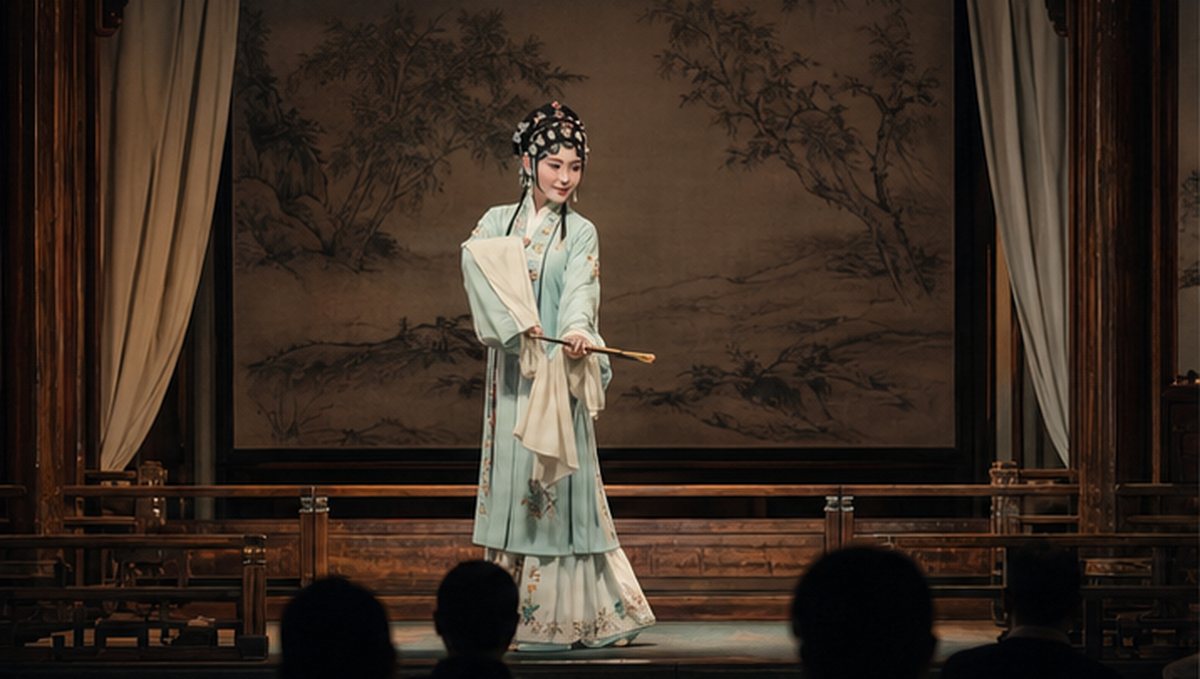
Chinese Intangible Cultural Heritage | Kunqu | Performing Art
Kunqu opera is a refined Chinese theatre tradition known for kunqiang melody, poetic language, singing, recitation, symbolic movement, costume, and carefully trained performance.
Kunqu Opera | 昆曲
Kunqu opera is a refined Chinese theatre tradition known for kunqiang melody, poetic language, singing, recitation, symbolic movement, costume, and carefully trained performance.
UNESCO inscribed Kunqu opera on the Representative List in 2008, after its original proclamation in 2001.
UNESCO traces Kunqu to Kunshan in the Suzhou region under the Ming dynasty. Its repertory and performance system influenced later Chinese opera forms, including Peking opera.
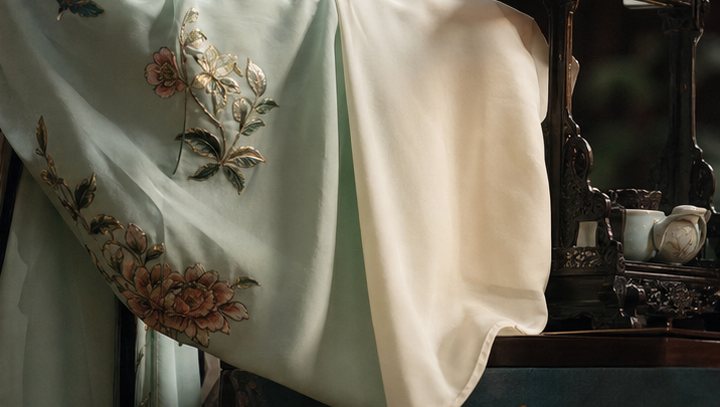
Performing Arts
Traditional Process
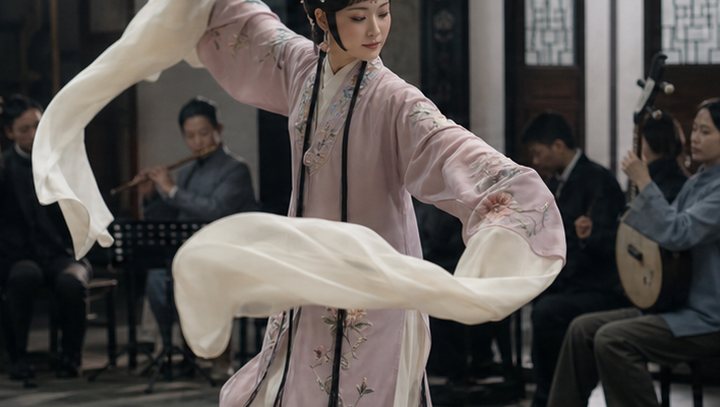
Heritage Facts
Rooted in Kunshan and the Suzhou/Jiangnan region of southeast China, with troupes, schools, and audiences sustaining performance today.
FAQ
Is Kunqu the same as Peking opera?
No. Kunqu is older and has its own melody, repertory, vocal style, and Jiangnan theatre history, though it influenced later opera forms.
Where did Kunqu originate?
UNESCO places its development in Kunshan, in the Suzhou region of southeast China, during the Ming dynasty.
Why is Kunqu considered difficult?
It requires deep training in singing, recitation, movement, musical rhythm, classical language, and role technique.
Sources and Related Guides
Reference source used for heritage status, terminology, and factual grounding.
Reference source used for heritage status, terminology, and factual grounding.
Continue to a related Living Heritage China guide.
Continue to a related Living Heritage China guide.