Peking Opera
Representative List entry for Peking opera, inscribed in 2010.
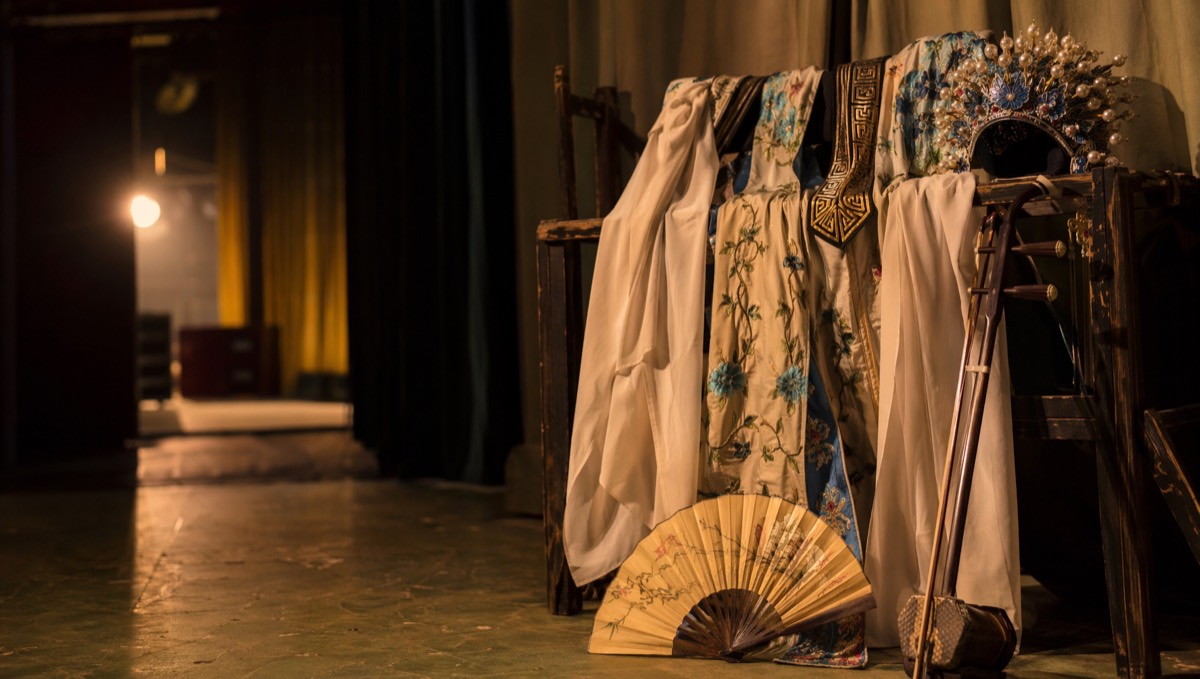
Chinese Intangible Cultural Heritage | Jingju | Performing Arts
Jingju brings together voice, recitation, acting, martial arts, music, costume, facial makeup, and symbolic movement on a highly disciplined stage.
Chinese Performing Arts
Peking opera, also called jingju or 京剧, is a Chinese stage art that combines singing, reciting, acting, and martial arts. It is performed across China, with important centers in Beijing, Tianjin, and Shanghai.
UNESCO inscribed Peking opera on the Representative List of the Intangible Cultural Heritage of Humanity in 2010. Its performance language includes music, choreography, gesture, costume, facial makeup, story, and strict training.
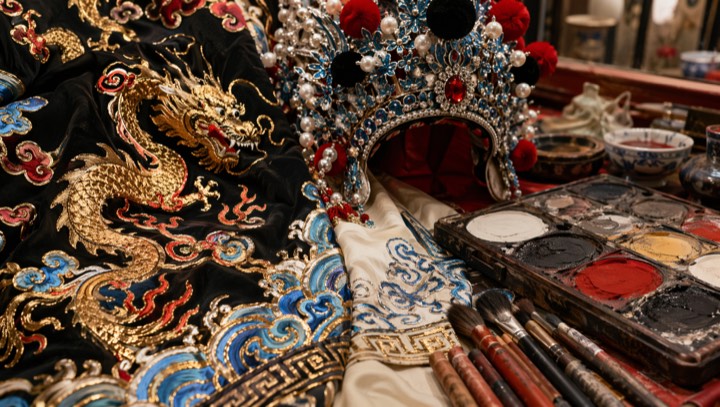
Symbolic Stage Language
How to Read the Performance
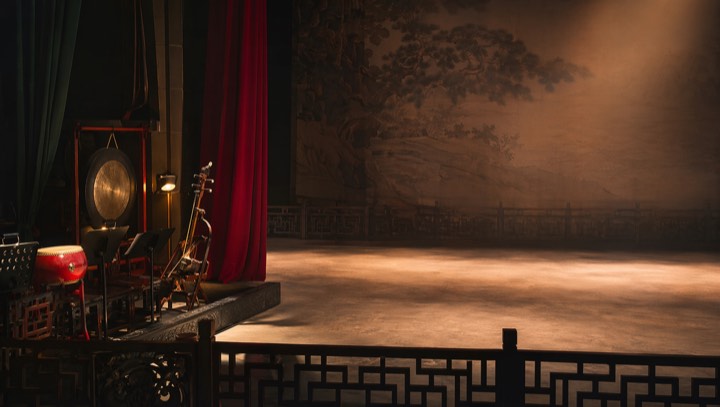
Heritage Facts
The most common overseas mistake is to reduce Peking opera to colorful makeup. The heritage value is broader: voice, text, movement, martial arts, music, stage convention, and transmission all matter.
FAQ
Is Peking opera the same as all Chinese opera?
No. Peking opera is one major Chinese opera form. China has many regional opera traditions with different languages, music, and performance systems.
Does Peking opera use masks?
It is better to say painted facial makeup. The colors and patterns are part of the actor's stage image rather than a simple removable mask tradition.
How is Peking opera transmitted?
UNESCO describes transmission largely through master-student training, with learners gaining skills through oral instruction, observation, imitation, and repeated practice.
Sources and Related Guides