Chinese Performing Arts
Place Dong Grand Song inside a broader cluster of opera, music, dance, theatre, and ritual performance.
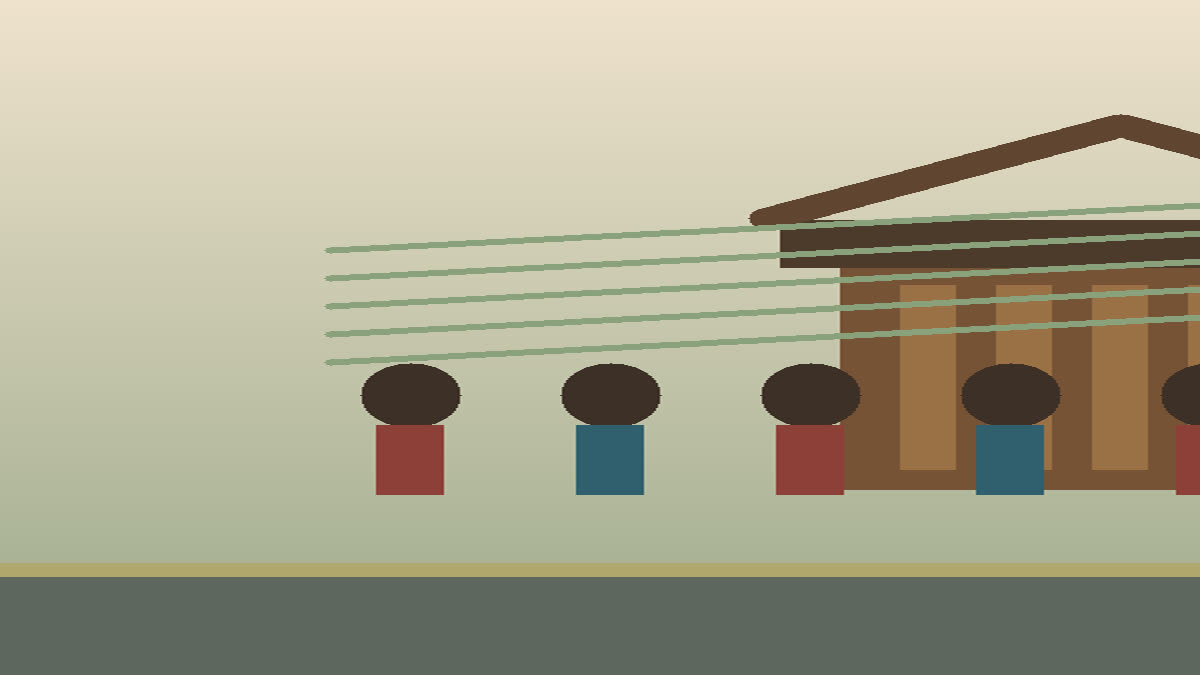
Dong Grand Song | 侗族大歌 | Guizhou Dong Choral Music
Dong Grand Song is a Dong ethnic choral tradition of unaccompanied, conductorless, multi-part singing that carries language, etiquette, nature imagery, village memory, and social knowledge.
Grand Song of the Dong Ethnic Group
Dong Grand Song, known in Chinese as 侗族大歌, is a collective Dong singing tradition built around multi-part vocal texture rather than instrumental accompaniment. Singers coordinate melody, rhythm, entry, and balance through listening and memory instead of a written score or conductor.
UNESCO inscribed Grand Song of the Dong ethnic group on the Representative List in 2009. Official China ICH coverage identifies the tradition as a group of unaccompanied and conductorless multi-part Dong folk songs, including sound songs, narrative songs, children's songs, stepping-hall songs, and road-blocking greeting songs.
The tradition is closely tied to Dong village life in Guizhou and neighboring areas. It is taught by song masters, sung by organized groups, and performed in social spaces such as drum towers, homes, guest welcomes, festivals, and public gatherings.
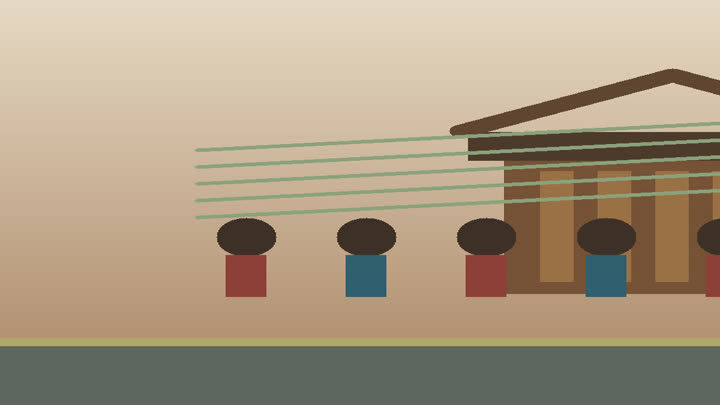
How the Sound Works
Traditional Practice
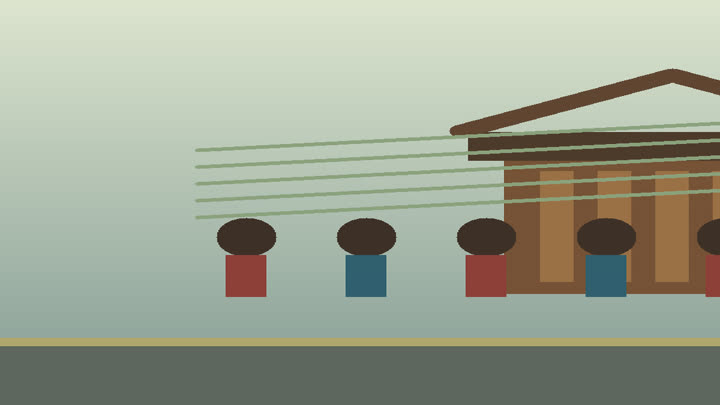
Heritage Facts
Unlike a concert genre separated from daily life, Dong Grand Song sits inside a social system. A reader should understand who sings, where the singing happens, why the drum tower matters, and how the music teaches more than melody.
Meaning and Difference
Compared with Nanyin music, Dong Grand Song is not centered on a seated instrumental ensemble or Minnan classical repertory. Its core identity is unaccompanied Dong choral texture and village teaching.
Compared with Hua'er folk songs, it is not primarily an improvised northwest song-fair tradition. It is a Dong community choral system with specific song types, group organization, and drum tower associations.
Compared with Mongolian Khoomei, it is not solo overtone throat singing. Its sound comes from collective polyphony, group balance, and a repertoire carried through local social spaces.
FAQ
What makes Dong Grand Song unusual?
It is multi-part choral singing performed without instruments or a conductor, relying on collective listening, memory, and voice balance.
Where is it performed?
It is strongly linked to Dong village spaces, especially drum towers, but it can also be sung in homes, public gatherings, guest welcomes, and festivals.
What does the tradition transmit?
It carries Dong language, history, social etiquette, emotional expression, knowledge about nature, and community identity.
Why does the drum tower matter?
The drum tower is a visible village landmark and gathering space, so singing there connects performance with social order, teaching, meeting, and welcome.
Sources and Related Guides
Place Dong Grand Song inside a broader cluster of opera, music, dance, theatre, and ritual performance.
Compare Dong Grand Song with epic storytelling, folk song, sung memory, and language-based transmission.
Follow traditions rooted in specific communities, regions, languages, landscapes, and social settings.
Verifies the Chinese name, 2009 Representative List status, song types, voice grouping, and transmission method.
Verifies the UNESCO element name, list status, a cappella polyphony, drum tower setting, and social role.
Compare another Chinese folk-song tradition with a different region, occasion, and performance setting.