Korean Farmers' Dance
Verifies the Chinese name, 2009 Representative List status, ethnic-community framing, harvest context, and performance category.
Chinese Intangible Cultural Heritage | Korean Farmers' Dance | Harvest Ritual
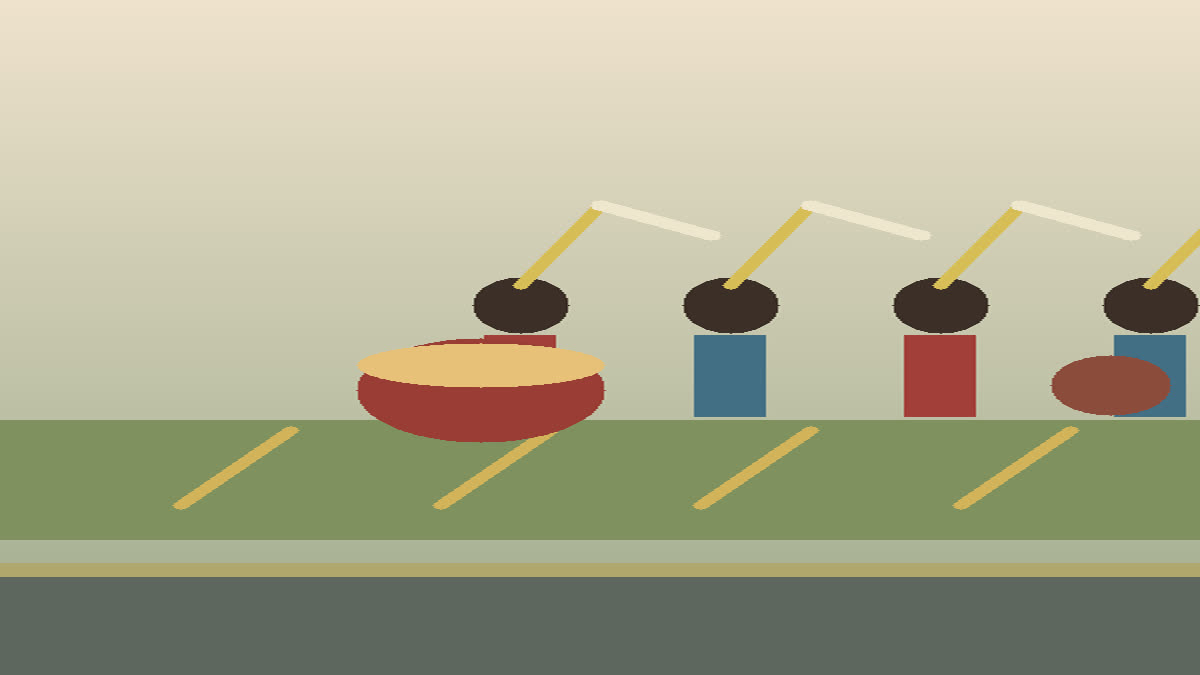
Korean Farmers' Dance in China is a festive dance and music tradition of China's Korean ethnic group, combining percussion, field ritual, formation movement, spinning ribbon hats, and community harvest celebration.
Korean Farmers' Dance | 中国朝鲜族农乐舞
Korean Farmers' Dance in China is a festive dance and music tradition of China's Korean ethnic group, combining percussion, field ritual, formation movement, spinning ribbon hats, and community harvest celebration.
UNESCO inscribed Farmers' dance of China's Korean ethnic group on the Representative List in 2009.
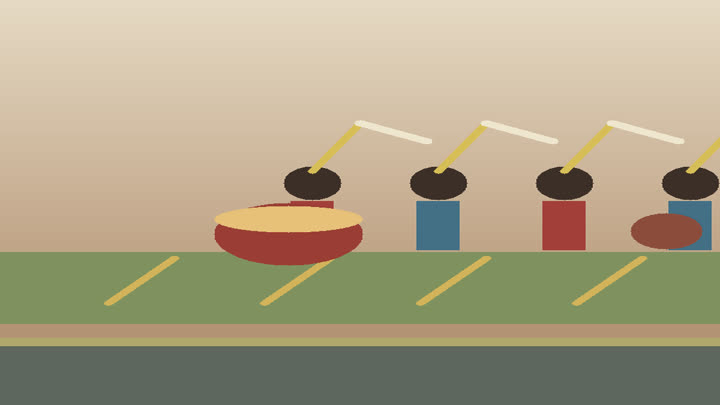
Official China ICH coverage identifies the tradition as Nongak dance practiced by China's Korean ethnic group. The form gathers music, dance, acrobatics, ritual gesture, and community celebration around farming life, seasonal gratitude, and village festival space.
Folk Dance and Harvest Ritual
Traditional Process
Heritage Facts
Korean ethnic communities in northeast China, especially Jilin and other northeastern provinces where village fields, festival grounds, and community associations support transmission.
FAQ
Is Korean Farmers' Dance in China the same as stage dance only?
No. It can be staged today, but the heritage is rooted in field ritual, percussion, village gathering, and festival practice.
Where is it practiced in China?
It is associated with Korean ethnic communities in northeast China, especially Jilin and surrounding provinces.
What makes the dance visually recognizable?
Percussion instruments, group formations, colorful costumes, and spinning ribbon hats are among its most visible features.
Sources and Related Guides
Verifies the Chinese name, 2009 Representative List status, ethnic-community framing, harvest context, and performance category.
Verifies the UNESCO element name, list status, community setting, and connection with nature and harvest.
Continue to a related Living Heritage China guide.
Continue to a related Living Heritage China guide.
Continue to a related Living Heritage China guide.