China Intangible Cultural Heritage: Guqin Art
Reference source used for heritage status, terminology, and factual grounding.
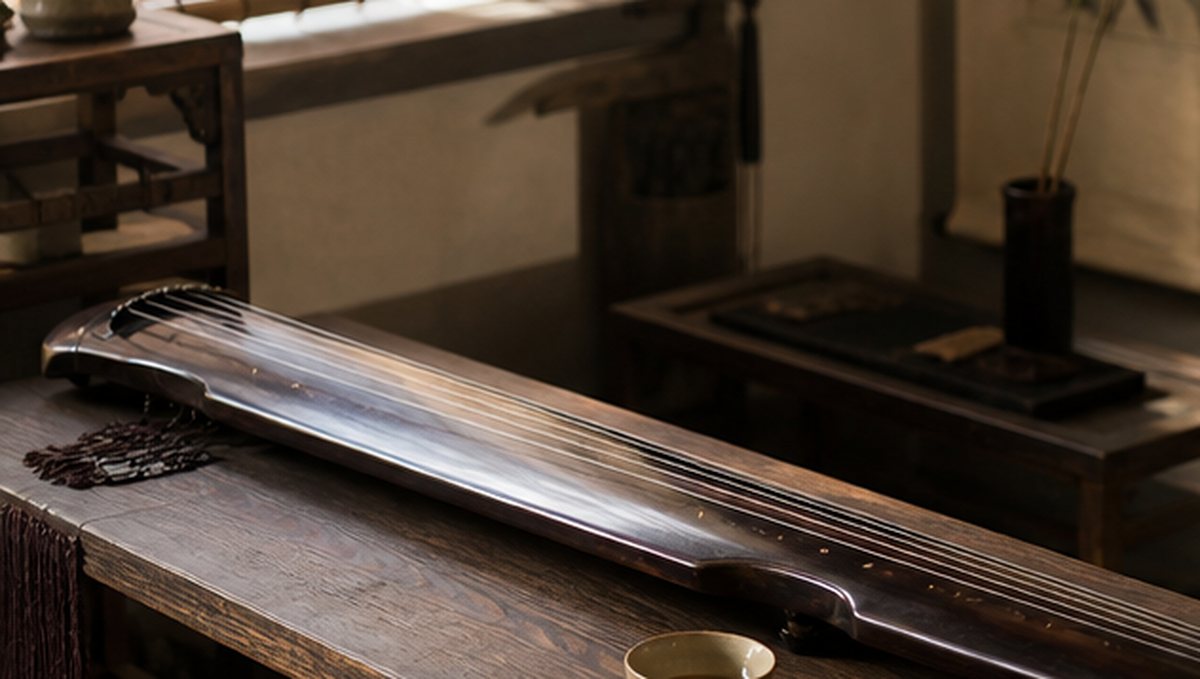
Chinese Intangible Cultural Heritage | Guqin | Traditional Music
Guqin is a seven-string Chinese zither tradition associated with solo music, refined touch, notation, qin schools, and the intellectual life of Chinese scholars.
Guqin | 古琴艺术
Guqin is a seven-string Chinese zither tradition associated with solo music, refined touch, notation, qin schools, and the intellectual life of Chinese scholars.
UNESCO inscribed Guqin and its music on the Representative List in 2008, after its original proclamation in 2003.
Chinese heritage sources describe the guqin as a flat, plucked string instrument with deep links to history, philosophy, literature, performance technique, repertoire, transmission, and instrument making.
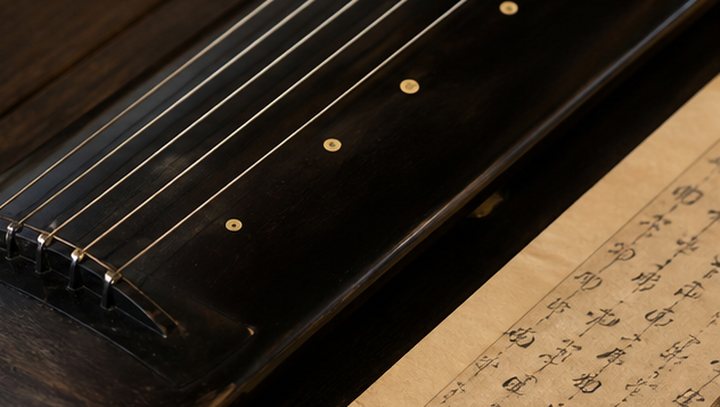
Traditional Music
Traditional Process
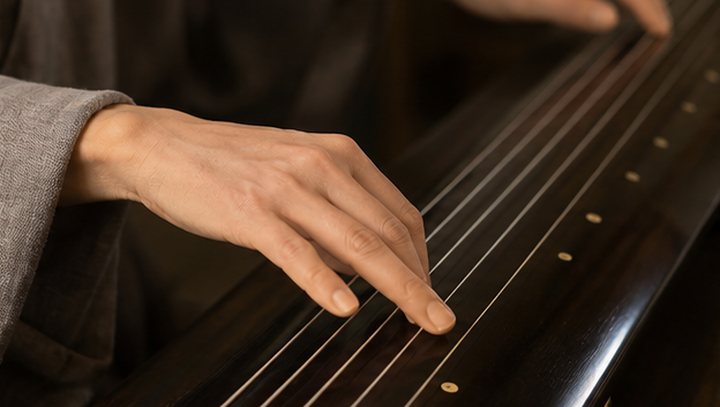
Heritage Facts
Practiced across China through qin schools, studios, research institutions, teachers, learners, performances, and contemporary cultural programs.
FAQ
Is guqin the same as guzheng?
No. Guqin is a seven-string zither with a different body, technique, repertoire, and cultural history from the larger guzheng.
Why is guqin often linked with scholars?
Historically it was one of the arts associated with educated literati life, alongside calligraphy, painting, and board games.
Is guqin only a museum tradition?
No. It continues through qin societies, teachers, concerts, research, instrument making, and new learners.
Sources and Related Guides
Reference source used for heritage status, terminology, and factual grounding.
Reference source used for heritage status, terminology, and factual grounding.
Continue to a related Living Heritage China guide.
Continue to a related Living Heritage China guide.