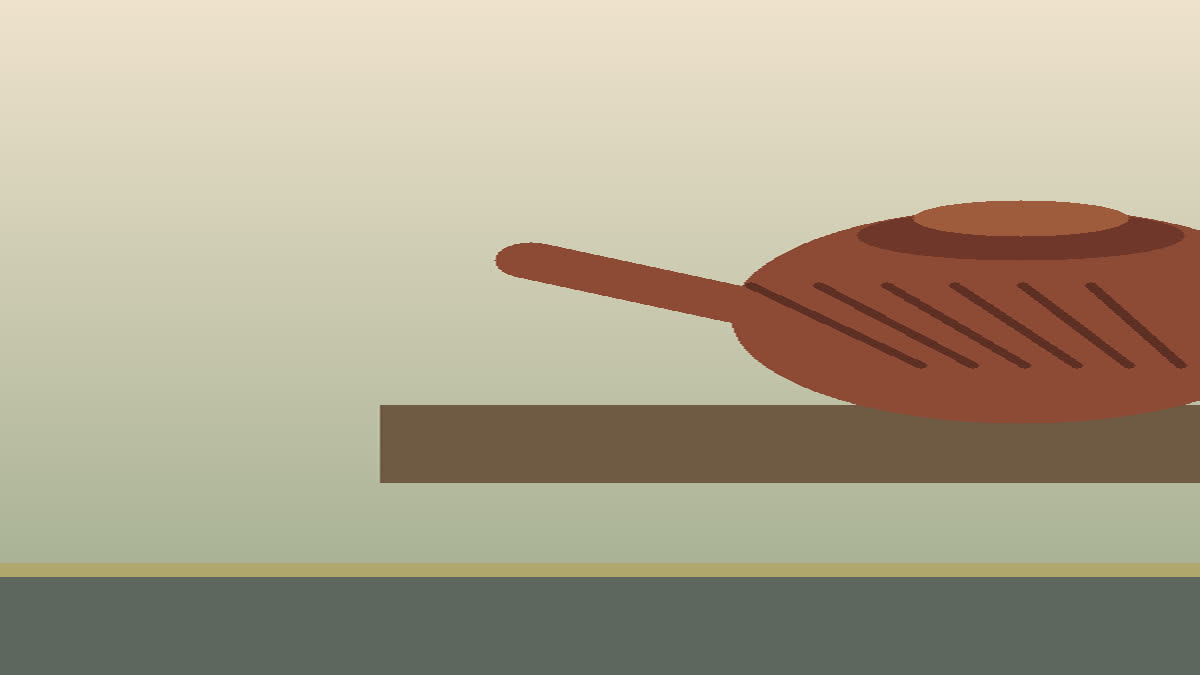
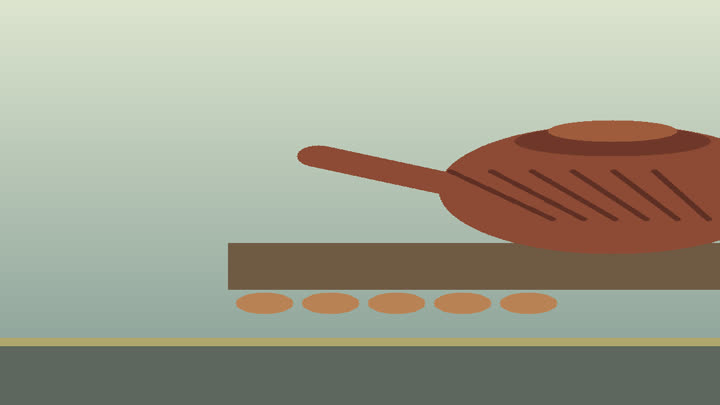
Yixing purple clay teapot workshop with zisha clay, slab tools, carved teapot body, kiln shelf, and tea cups

Chinese Intangible Cultural Heritage | Yixing Zisha | Pottery Craft

Yixing Purple Clay

Yixing purple clay pottery is a Jiangsu ceramic tradition centered on zisha clay, handmade teapot forming, careful joining, surface finishing, firing control, and tea-use knowledge.

Yixing Purple Clay | 宜兴紫砂陶制作技艺

What is Yixing Purple Clay?

Yixing purple clay pottery is a Jiangsu ceramic tradition centered on zisha clay, handmade teapot forming, careful joining, surface finishing, firing control, and tea-use knowledge.

China listed Yixing purple clay pottery techniques in the first national representative ICH list in 2006.

The official China ICH record describes Yixing zisha as a pottery craft using local purple clay, with forming, decoration, inscription, sealing, firing, and teapot-making knowledge shaped by long workshop practice.
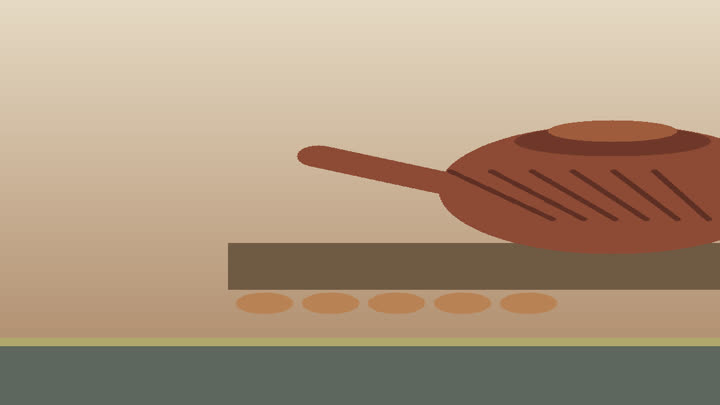
Close detail of Yixing zisha teapot surface, carved lines, clay texture, lid fit, and maker seal
Yixing Purple Clay becomes clearer when readers can see the materials, tools, gestures, route, social setting, or community use behind the heritage.

Purple Clay Pottery and Teapot Craft

Place, material, practice, and use make the tradition concrete.

  • Zisha clay Local purple clay gives Yixing wares their dense body, muted color, and valued tea-use surface.
  • Hand forming Teapot bodies, lids, handles, spouts, and feet are shaped and joined with precise fit.
  • Maker seal Stamps, inscriptions, and surface treatment connect the object to workshop identity and craft lineage.
  • Tea practice The vessel is judged not only as sculpture but also by balance, pour, lid fit, and brewing use.

Traditional Process

How Yixing Purple Clay is practiced

Yixing purple clay process with clay slabs, paddle, rib, spout pieces, seal stamp, and kiln tools
  1. Prepare the clayZisha clay is selected, refined, aged, wedged, and cut into workable slabs or pieces.
  2. Form the bodyThe maker shapes the body, lid, spout, handle, foot, and interior structure by hand.
  3. Join and refineParts are attached, seams are compressed, proportions are adjusted, and surfaces are smoothed.
  4. Decorate and sealCarving, inscription, impressed marks, and maker seals are added where appropriate.
  5. Fire and finishKiln firing hardens the clay; finished pieces are checked for color, fit, sound, and usability.

Heritage Facts

Yixing Purple Clay belongs to a living knowledge system.

Yixing, Jiangsu Province, especially local pottery workshops, clay sources, kilns, teapot makers, and tea-culture settings.

Chinese Name宜兴紫砂陶制作技艺
Official StatusChina listed Yixing purple clay pottery techniques in the first national representative ICH list in 2006.
CategoryTraditional ceramic craftsmanship, teapot making, clay preparation, kiln knowledge, carving, inscription, and tea material culture
Materials, Tools, or ElementsZisha clay, paddles, wooden ribs, trimming knives, forming boards, spout molds, seal stamps, carving tools, kiln shelves, teaware
Common UsesTeapots, tea brewing, studio pottery, collecting, gift culture, design, apprenticeship, museum display, and craft education
SEO Topic ClusterYixing teapot, zisha clay, Chinese pottery, tea craft

FAQ

Common questions about Yixing Purple Clay

Is Yixing purple clay only used for teapots?
Teapots are the best-known form, but the craft also includes other zisha vessels and ceramic objects.

Why does clay matter so much?
The local clay body affects forming, firing color, texture, durability, and how the vessel is valued in tea use.

What makes the craft difficult?
Small changes in body proportion, spout placement, lid fit, clay moisture, and firing can change the finished teapot.

Sources and Related Guides

Continue through Chinese living heritage.