Traditional Tea Processing
Representative List entry for China's tea processing techniques and associated social practices.
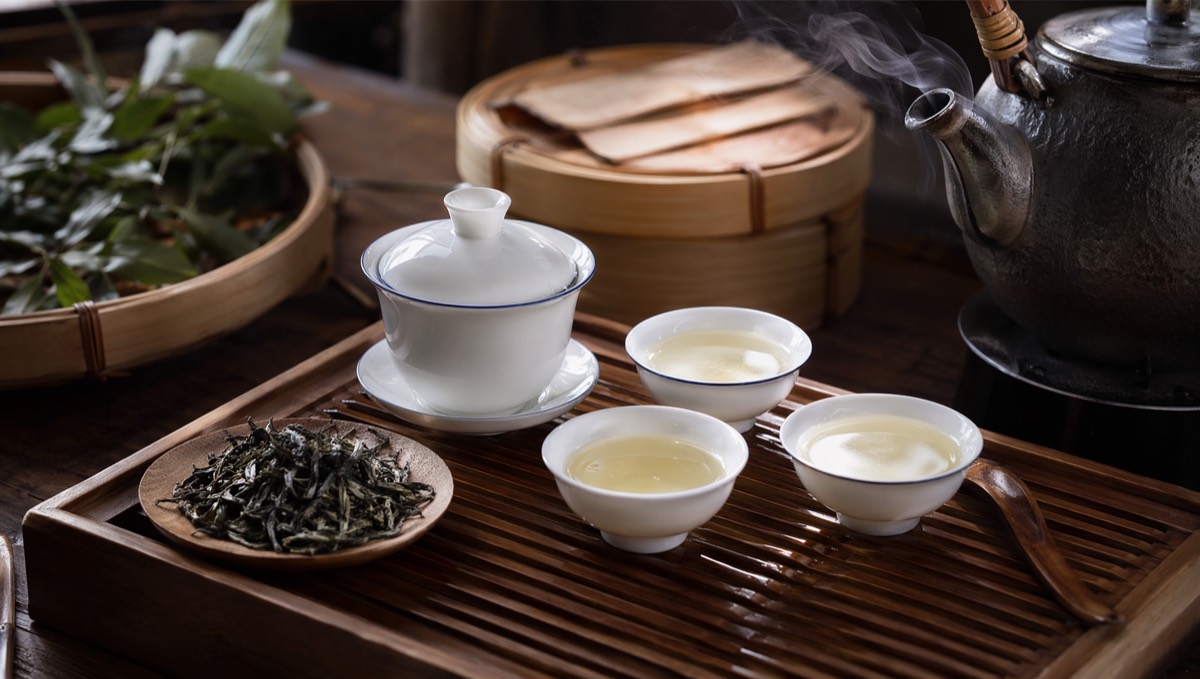
Chinese Intangible Cultural Heritage | Tea Processing | Social Practices
Traditional tea processing in China connects plantation knowledge, leaf picking, manual craft, drinking, sharing, hospitality, and social life.
Traditional Tea Processing
UNESCO inscribed Traditional tea processing techniques and associated social practices in China on the Representative List of the Intangible Cultural Heritage of Humanity in 2022.
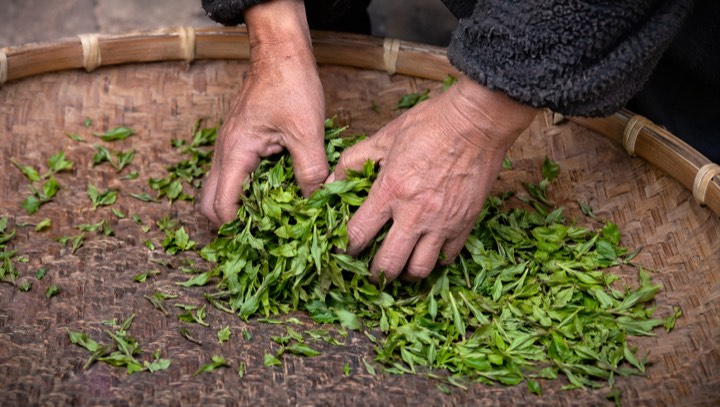
The element covers knowledge and skills around tea plantation management, tea-leaf picking, manual processing, drinking, and sharing. It is not only about a finished beverage; it is also about families, apprenticeships, farmers, tea producers, tea houses, temples, restaurants, guests, and neighbors.
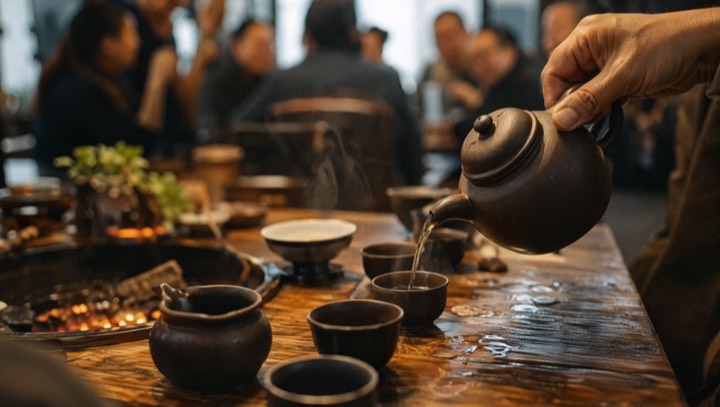
Leaf to Relationship
Traditional Process
Heritage Facts
For SEO and accuracy, this guide uses both common search language, such as Chinese tea culture, and the formal heritage wording, traditional tea processing techniques and associated social practices in China.
FAQ
Is Chinese tea culture only about tea ceremonies?
No. It includes plantation knowledge, processing techniques, everyday drinking, hospitality, family life, tea houses, and formal occasions.
What are the main Chinese tea categories?
UNESCO names six categories developed by Chinese producers: green, yellow, dark, white, oolong, and black teas.
How is tea knowledge transmitted?
Knowledge is passed through families, apprenticeships, tea producers, farmers, artists, and the people who prepare foods served with tea.
Sources and Related Guides
Representative List entry for China's tea processing techniques and associated social practices.
Explore red paper, folk symbols, festival windows, and regional patterns.
Move from tea leaves to natural lacquer, layer, polish, carving, and inlay.