Wangchuan Ceremony
Verifies Minnan and Melaka communities, maritime migration, ritual boats, and shared heritage framing.

Chinese Intangible Cultural Heritage | Ong Chun | Wangkang | Maritime Ritual
The Wangchuan Ceremony, also known as Ong Chun or Wangkang, is a maritime ritual tradition linking Minnan communities in China and Chinese communities in Melaka, Malaysia through ritual boats, processions, offerings, ocean memory, and prayers for peace.
Wangchuan Ceremony | 送王船
The Wangchuan Ceremony, also known as Ong Chun or Wangkang, is a maritime ritual tradition linking Minnan communities in China and Chinese communities in Melaka, Malaysia through ritual boats, processions, offerings, ocean memory, and prayers for peace.
UNESCO inscribed Ong Chun/Wangchuan/Wangkang ceremony on the Representative List in 2020 as a China-Malaysia shared element.
Official China ICH coverage describes Wangchuan as a ritual and related practice connected with sustainable relationships between people and the ocean. It developed in China's Minnan region between the fifteenth and seventeenth centuries and spread with maritime trade and migration to Southeast Asian communities.
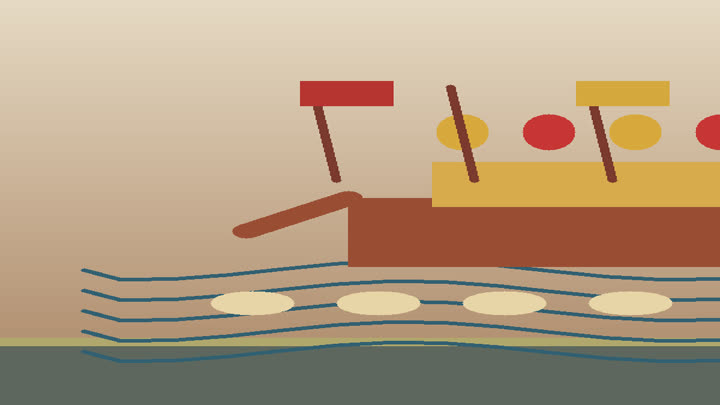
Maritime Ritual and Folk Custom
Traditional Process
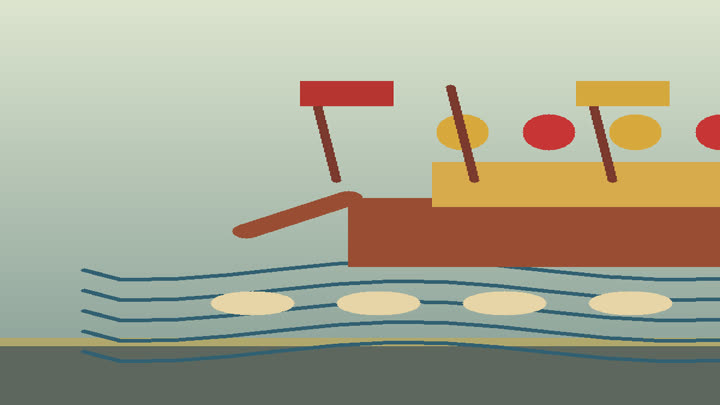
Heritage Facts
China's Minnan coastal area, especially around Xiamen Bay and Quanzhou Bay, and Chinese communities in Melaka, Malaysia.
FAQ
Is Wangchuan only a boat-burning spectacle?
No. The visible boat is part of a broader ritual system involving community organization, offerings, music, procession, maritime memory, and safeguarding.
Why are China and Malaysia both named?
The ceremony developed in Minnan China and travelled through maritime migration to Chinese communities in Melaka, where related Wangkang practice continues.
What does the ceremony say about the ocean?
It expresses respect for maritime risk, remembrance of sea-related lives, and hopes for safety and social harmony.
Sources and Related Guides
Verifies Minnan and Melaka communities, maritime migration, ritual boats, and shared heritage framing.
Verifies the China-Malaysia UNESCO element name, list status, and ocean-connection wording.
Continue to a related Living Heritage China guide.
Continue to a related Living Heritage China guide.
Continue to a related Living Heritage China guide.