China Intangible Cultural Heritage: Mazu Belief and Customs
Reference source used for heritage status, terminology, and factual grounding.
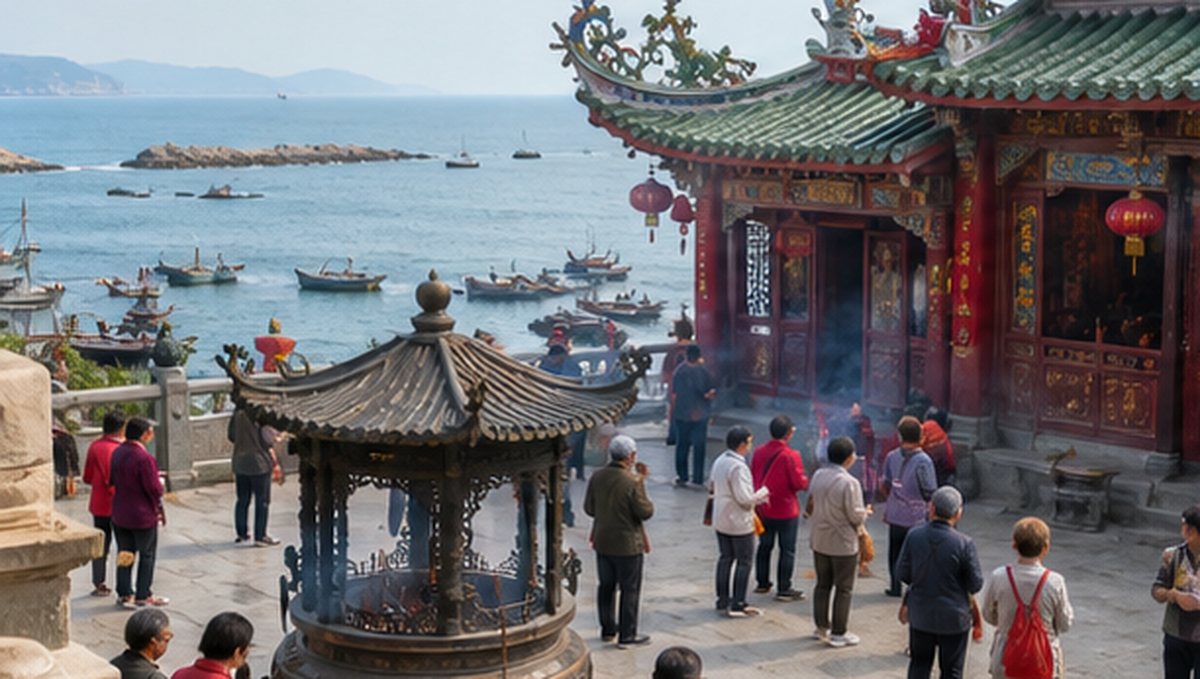
Chinese Intangible Cultural Heritage | Mazu | Folk Belief
Mazu belief and customs connect coastal Chinese communities through temple rituals, oral traditions, offerings, processions, maritime memory, and shared identity around protection at sea.
Mazu Belief and Customs | 妈祖信俗
Mazu belief and customs connect coastal Chinese communities through temple rituals, oral traditions, offerings, processions, maritime memory, and shared identity around protection at sea.
UNESCO inscribed Mazu belief and customs on the Representative List in 2009.
UNESCO identifies Mazu as a sea goddess linked to Meizhou Island and coastal communities. The heritage includes religious ceremonies, folk practices, oral traditions, home observances, temple fairs, processions, and public performances.
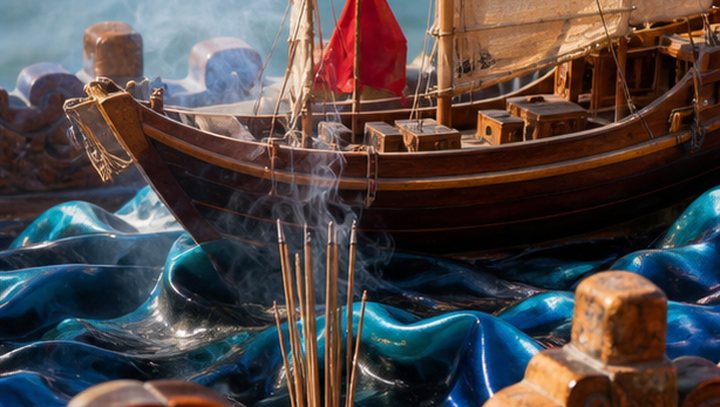
Folk Belief and Social Customs
Traditional Process
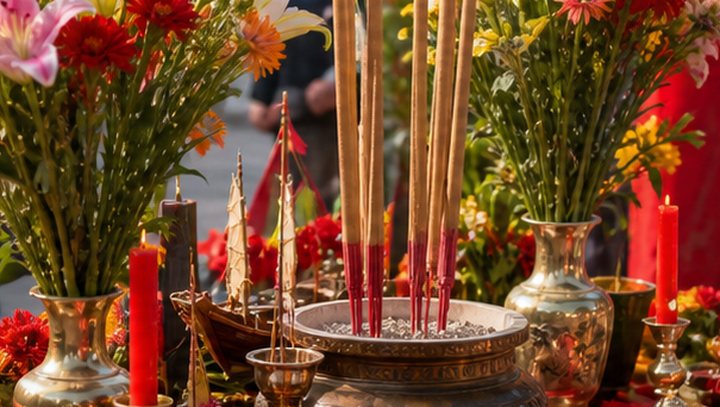
Heritage Facts
Centered on Meizhou Island in Fujian and practiced across coastal China and among overseas Chinese communities with Mazu temples.
FAQ
Who is Mazu?
Mazu is venerated as a sea goddess in Chinese coastal communities, with traditions linking her to Meizhou Island in the tenth century.
Is Mazu belief only practiced in one temple?
No. UNESCO describes Mazu customs across coastal China, in private homes, and in thousands of temples around the world.
What makes it intangible heritage?
The heritage is not only temple buildings; it includes oral traditions, ritual knowledge, ceremonies, processions, offerings, music, and community participation.
Sources and Related Guides
Reference source used for heritage status, terminology, and factual grounding.
Reference source used for heritage status, terminology, and factual grounding.
Continue to a related Living Heritage China guide.
Continue to a related Living Heritage China guide.