China Intangible Cultural Heritage: Taijiquan
Reference source used for heritage status, terminology, and factual grounding.
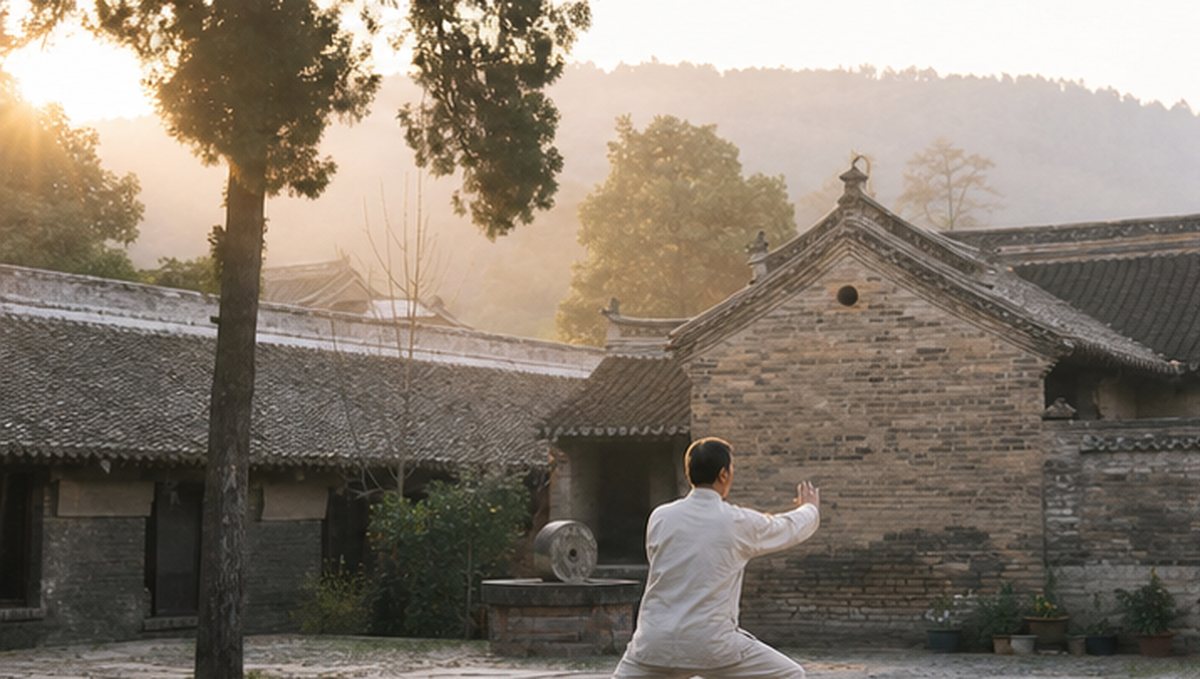
Chinese Intangible Cultural Heritage | Taiji | Traditional Sport
Taijiquan is a Chinese physical practice built around relaxed circular movement, balanced footwork, breath regulation, and a calm, upright state of mind.
Taijiquan | 太极拳
Taijiquan is a Chinese physical practice built around relaxed circular movement, balanced footwork, breath regulation, and a calm, upright state of mind.
UNESCO inscribed Taijiquan on the Representative List of the Intangible Cultural Heritage of Humanity in 2020.
The tradition is widely practiced today, but official heritage sources connect its formation to the mid-seventeenth century in Wenxian County, Henan. It developed through clan, school, master-apprentice, community, and formal education settings.
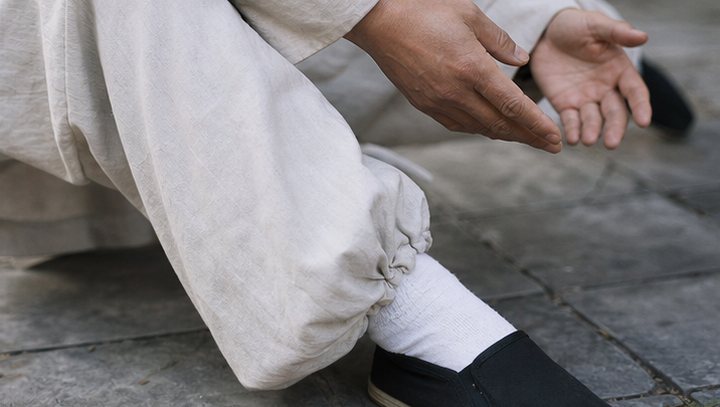
Traditional Sports and Martial Arts
Traditional Process
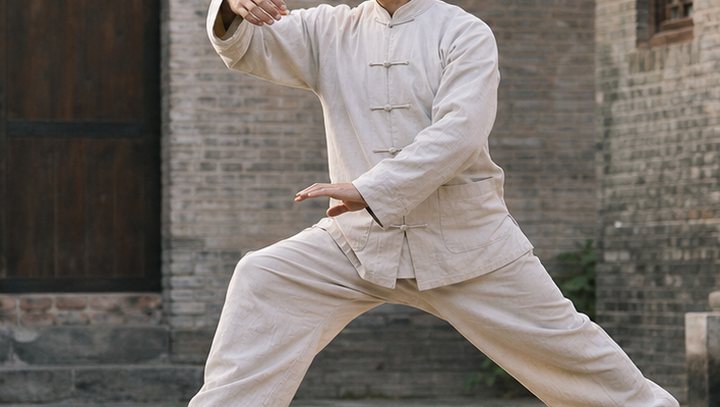
Heritage Facts
Originated in Wenxian County, Henan Province, and now practiced across China and overseas by people of different ages and communities.
FAQ
Is Taijiquan the same as generic tai chi exercise?
This page treats Taijiquan as a Chinese heritage practice with lineages, movement principles, ritual transmission, and community contexts, not only as a fitness routine.
Where did Taijiquan originate?
UNESCO identifies its origin during the mid-seventeenth century in Wenxian County, Henan Province.
What are wubu and bafa?
They are commonly translated as five steps and eight techniques, a framework for basic movement and method in Taijiquan practice.
Sources and Related Guides
Reference source used for heritage status, terminology, and factual grounding.
Reference source used for heritage status, terminology, and factual grounding.
Continue to a related Living Heritage China guide.
Continue to a related Living Heritage China guide.