Acupuncture and Moxibustion of Traditional Chinese Medicine
Representative List reference for this heritage item.
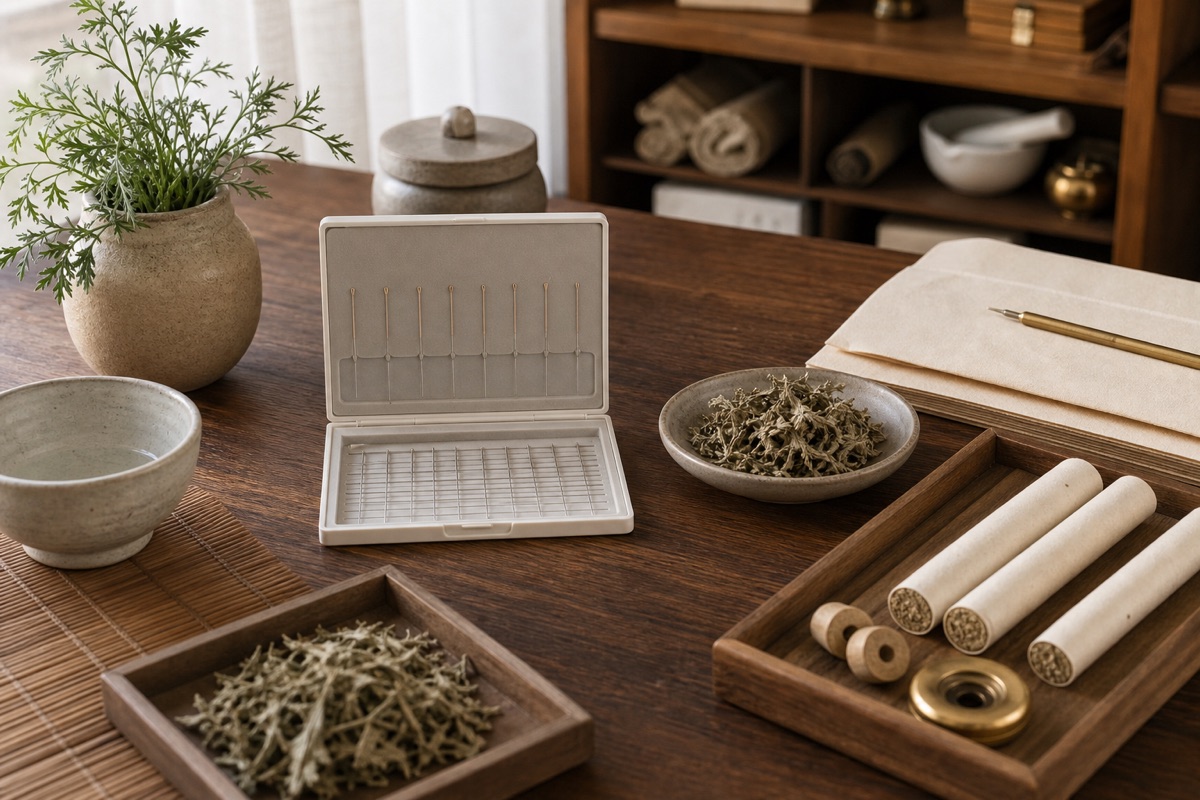
Chinese Intangible Cultural Heritage | Zhenjiu | Traditional Medicine
Acupuncture and moxibustion, or zhenjiu, are traditional Chinese medicine practices that use fine needles and heat from burning moxa to work with ideas of channels, points, qi, and bodily regulation.
Acupuncture and Moxibustion | 针灸
Acupuncture and moxibustion, or zhenjiu, are traditional Chinese medicine practices that use fine needles and heat from burning moxa to work with ideas of channels, points, qi, and bodily regulation.
UNESCO inscribed acupuncture and moxibustion of traditional Chinese medicine on the Representative List in 2010.
This guide explains the practice as cultural heritage and medical knowledge history. It is not medical advice, and treatment decisions should be made with qualified health professionals.
Traditional Medicine
Traditional Process
Heritage Facts
Associated with Chinese medicine traditions across China and taught through clinical training, teacher-student transmission, and formal institutions.
FAQ
Is this page medical advice?
No. It explains acupuncture and moxibustion as heritage and cultural knowledge, not as diagnosis or treatment guidance.
What is moxa?
Moxa is prepared mugwort used to create therapeutic heat in moxibustion traditions.
Why is training important?
The practice involves the body, clinical decisions, hygiene, contraindications, and patient safety.
Sources and Related Guides
Representative List reference for this heritage item.
Explore Chinese calligraphy as living heritage through brush, ink, paper, script styles, training, expressive line, and cultural meaning.
Explore the Dragon Boat Festival, or Duanwu, through dragon boat racing, zongzi, seasonal customs, community memory, and living heritage.