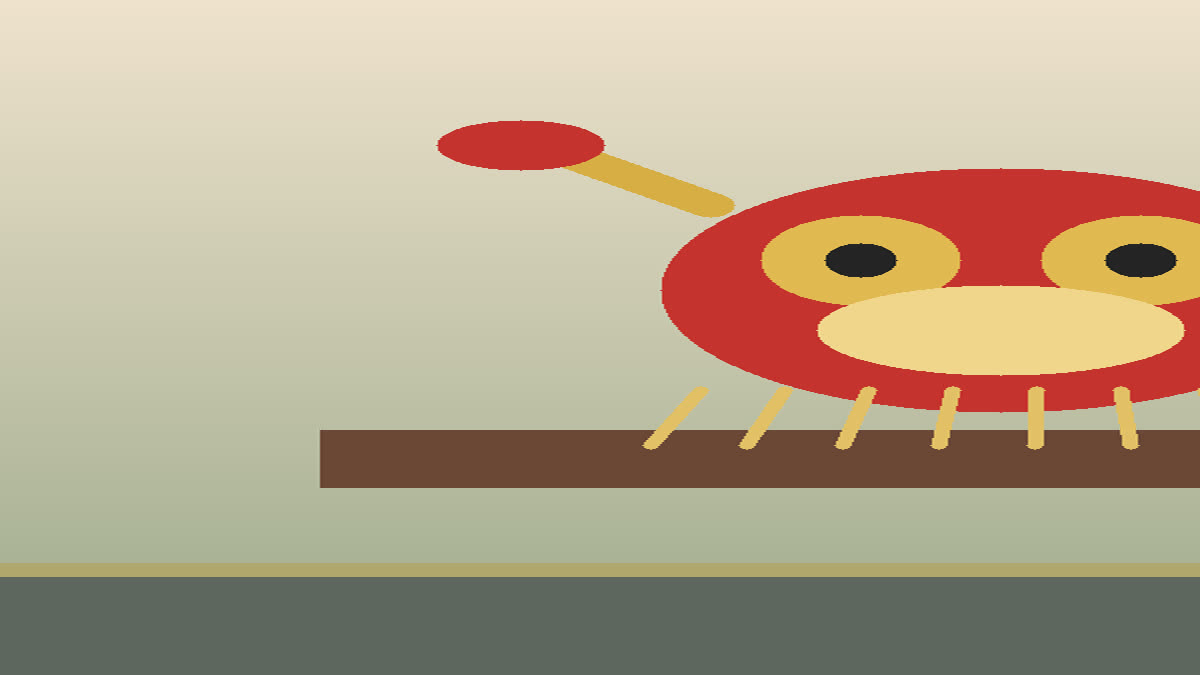
Guangdong lion dance scene with awake lion head, drum, cymbals, martial stance markers, and festival banners

Chinese Intangible Cultural Heritage | Guangdong Awake Lion | Festival Performance

Guangdong Lion Dance

Guangdong lion dance, often called awake lion, is a southern Chinese performance tradition combining a crafted lion head, drum and cymbal rhythms, martial footwork, acrobatic coordination, festival blessing, and community training.

Guangdong Lion Dance | 狮舞(广东醒狮)

What is Guangdong Lion Dance?

Guangdong lion dance, often called awake lion, is a southern Chinese performance tradition combining a crafted lion head, drum and cymbal rhythms, martial footwork, acrobatic coordination, festival blessing, and community training.

China listed Guangdong awake lion under lion dance in the first national representative ICH list in 2006.

The official China ICH record identifies Guangdong awake lion as a representative lion dance tradition rooted in southern community festivals, martial movement, percussion, team coordination, and auspicious public performance.
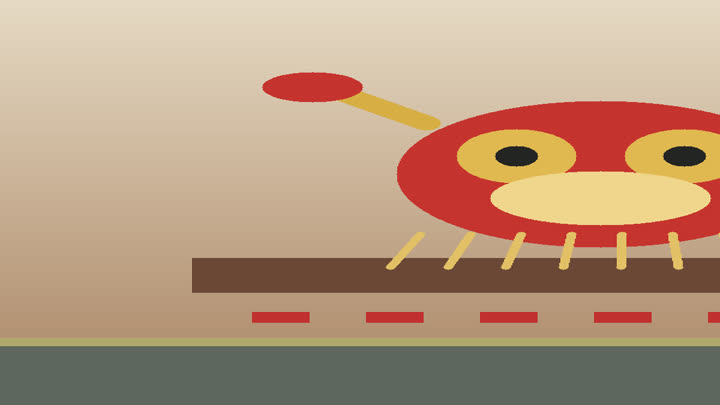
Close detail of Guangdong awake lion head eye, painted brow, fur edge, drumstick, cymbal, and red festival cloth
Guangdong Lion Dance becomes clearer when readers can see the materials, tools, gestures, route, social setting, or community use behind the heritage.

Lion Dance, Festival Performance, and Martial Movement

Place, material, practice, and use make the tradition concrete.

  • Awake lion head Painted eyes, brow, mouth, beard, and body cloth make the lion readable from a distance.
  • Percussion command Drum, gong, and cymbals cue mood, steps, jumps, pauses, and dramatic turns.
  • Martial footwork Low stances, coordinated lifts, leaps, and balance work connect the dance to southern martial training.
  • Blessing occasion The performance often marks New Year, temple, shop, clan, and community events.

Traditional Process

How Guangdong Lion Dance is practiced

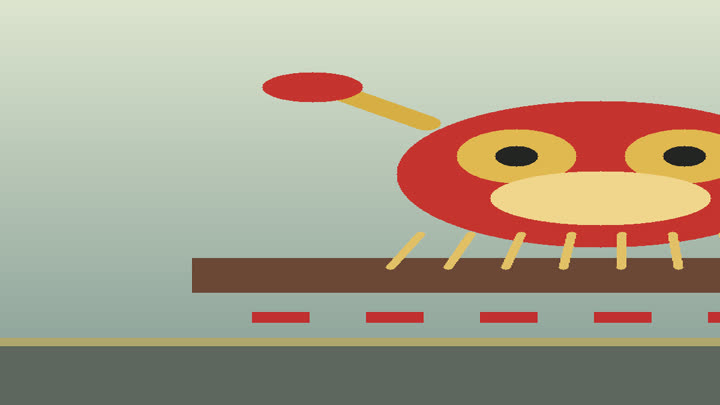
Guangdong lion dance training process with lion head frame, drum rhythm, footwork path, poles, and team practice marks
  1. Prepare the lion and instrumentsThe team checks the lion head, body cloth, drum, cymbals, gong, costume, and floor route.
  2. Set the rhythmPercussion establishes the lion's attention, entrance, curiosity, excitement, and blessing sequence.
  3. Coordinate the bodyTwo performers align head, tail, steps, breathing, crouches, lifts, and direction changes.
  4. Perform the blessingThe lion approaches doors, tables, banners, or symbolic greens according to the event setting.
  5. Train and transmitTeams rehearse strength, timing, etiquette, percussion, prop handling, and community performance rules.

Heritage Facts

Guangdong Lion Dance belongs to a living knowledge system.

Guangdong Province and Cantonese-speaking communities, especially village festivals, clan halls, schools, markets, temple fairs, and overseas Chinese association settings.

Chinese Name狮舞(广东醒狮)
Official StatusChina listed Guangdong awake lion under lion dance in the first national representative ICH list in 2006.
CategoryTraditional dance, festival ritual, martial performance, percussion, prop craft, and community transmission
Materials, Tools, or ElementsLion head, lion body cloth, drum, cymbals, gong, banners, training poles, floor markers, costume pieces, incense-table or blessing props
Common UsesNew Year visits, business openings, temple fairs, community celebrations, competitions, youth training, overseas Chinese festivals, and blessing rituals
SEO Topic Clusterlion dance, Guangdong awake lion, Chinese festival performance, martial dance

FAQ

Common questions about Guangdong Lion Dance

Is Guangdong lion dance the same as northern lion dance?
No. Guangdong awake lion is a southern style with distinctive lion heads, percussion, martial stances, and local festival use.

Why does the drum matter?
The drum is not background music; it cues the lion's emotion, movement, timing, and relationship with the audience.

Is lion dance only a New Year custom?
New Year is important, but awake lion also appears at openings, temple fairs, competitions, weddings, and community events.

Sources and Related Guides

Continue through Chinese living heritage.